
Introduction
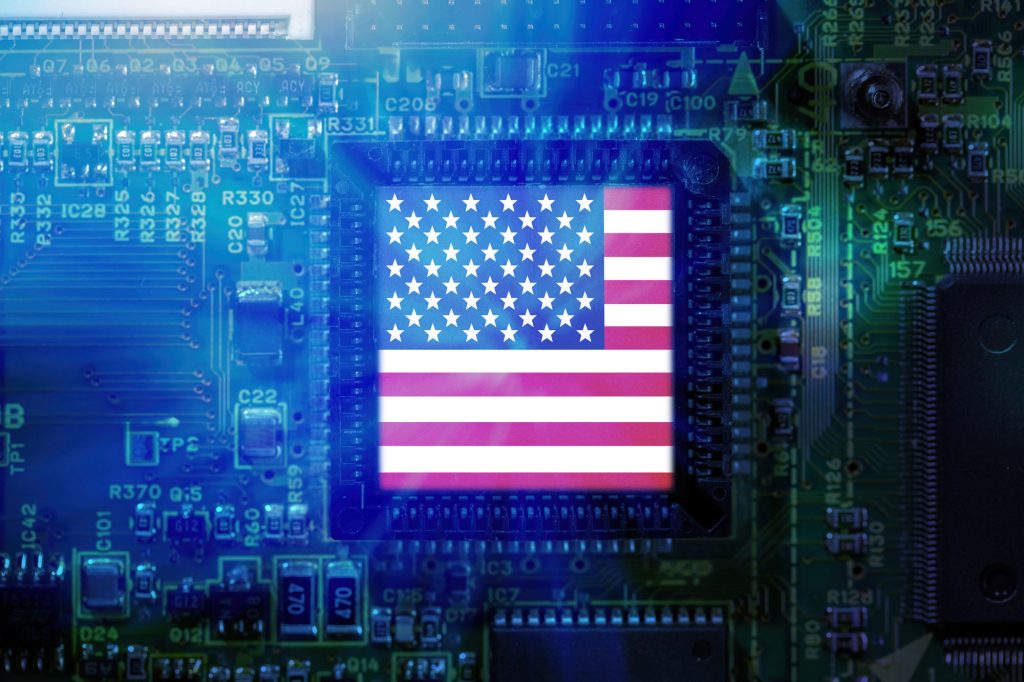
In a bold and unexpected policy move, the White House revealed plans to acquire a 10% ownership stake in Intel Corporation. This represents a major shift in U.S. industrial policy by converting a portion of the CHIPS Act’s financial support from grants and subsidies into an equity investment. The goal is twofold: to better align taxpayer dollars with potential financial returns and to accelerate domestic semiconductor manufacturing capabilities. The announcement comes amid heightened geopolitical tensions and ongoing challenges in the semiconductor sector, including persistent supply chain disruptions and export restrictions linked to China.
Background: The CHIPS Act and Semiconductor Industry Challenges
The CHIPS Act, passed by Congress in 2022, was designed to bolster the U.S. semiconductor industry through significant funding and incentives. It aimed to reduce dependence on foreign chip manufacturers by encouraging investment in domestic fabrication plants and research. However, until now, most of the CHIPS Act support was distributed as grants or subsidies without direct ownership stakes.
Intel, one of the leading U.S.-based semiconductor manufacturers, has been investing heavily to expand its production capacity domestically. However, the semiconductor industry continues to face headwinds, including trade restrictions with China, supply chain bottlenecks, and intense global competition. These challenges have contributed to volatility in Intel’s stock price and investor uncertainty about the sector’s growth prospects.
What the U.S. Government’s Equity Stake Means
The proposed 10% stake means the government would effectively become a shareholder in Intel. Instead of simply providing funds, it would hold equity, sharing both the risks and rewards of Intel’s future performance. This equity-linked funding model could have several implications:
-
Alignment of Interests: Taxpayer support would be tied directly to Intel’s financial success, potentially providing the government with dividends or capital gains if Intel’s valuation rises.
-
De-Risking Public Funds: By holding equity, the government can recoup some of its investments, reducing the financial burden on taxpayers compared to outright grants.
-
Impact on Intel’s Cost of Capital: This new funding approach may increase Intel’s cost of capital, as government ownership might influence investor perceptions and financial strategies.
-
Influence on Corporate Governance: Although the government may not seek control, its stake could give it a voice in strategic decisions, particularly around domestic manufacturing priorities.
Market and Investor Reactions
This announcement injected fresh uncertainty into semiconductor markets. Investors now face increased policy risk, also known as “policy beta,” which refers to how government actions influence stock valuations. Semiconductor companies are likely to experience heightened volatility as markets digest the implications of this new industrial policy model.
Analysts expect this move to affect Intel’s stock multiples, possibly compressing valuations if investors view government equity participation as dilutive or signaling increased oversight. Furthermore, Intel’s capital expenditure plans may shift to balance shareholder returns with government expectations for expanding U.S.-based production facilities.
Suppliers and competitors are also on alert. Changes in Intel’s strategic direction, especially concerning products destined for China, could ripple through the semiconductor ecosystem, influencing sales, supply chains, and competitive dynamics.
Strategic and Geopolitical Implications
The U.S. government’s direct equity involvement underscores its commitment to tech sovereignty amid rising geopolitical tensions, particularly with China. By investing directly in Intel, Washington signals a readiness to intervene more actively in strategic industries.
This initiative aligns with broader efforts to onshore critical supply chains, reduce foreign dependencies, and secure national security interests. It also sends a strong message to global competitors and allies that the U.S. is willing to back its semiconductor sector with innovative policy tools beyond traditional subsidies.
Future Outlook
The planned government stake in Intel marks a new chapter in U.S. industrial policy. As the details of the investment are finalized, the semiconductor industry and financial markets will closely monitor how this equity model plays out. Potential future developments include:
-
Expansion of similar equity investments in other strategic technology sectors.
-
Enhanced government oversight or partnership frameworks to guide corporate investments.
-
Possible shifts in Intel’s product portfolio and market focus to satisfy both commercial and national policy objectives.
Investors should prepare for increased volatility but also potential opportunities if this strategy successfully strengthens U.S. semiconductor capabilities over the long term.
Conclusion
The U.S. plan to acquire a 10% stake in Intel signals a profound shift in industrial policy, moving from traditional grants to a model where taxpayer funding shares in corporate upside and risks. This new approach aims to accelerate domestic chip manufacturing, secure supply chains, and better protect national interests amid global challenges. As this policy evolves, it will have broad implications for Intel, its industry peers, and the broader technology market landscape.