
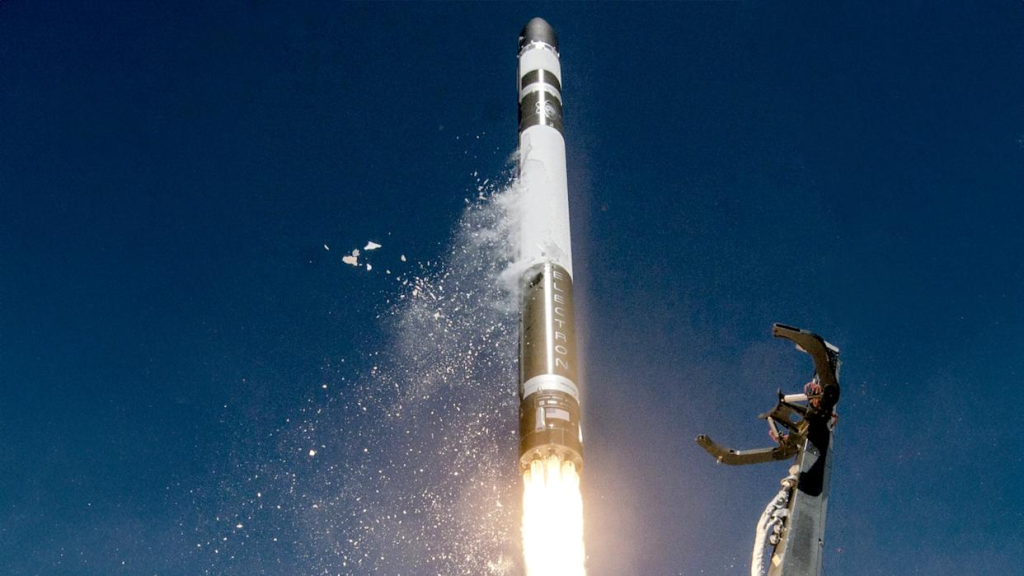
Rocket Labs has launched its Electron small launch vehicle over 60 times over the past seven years, and CEO Peter Beck has been talking up its viability as a direct competitor for the likes of SpaceX in the small satellite space. He claims that while other companies with larger rockets might offer competitive “rideshare” arrangements, he’s keen for the small satellite launch industry to be seen as its own market that can drive real profit for younger aerospace ventures like Rocket Labs. Not the European alternatives, though, he says. Those are doomed to fail.
In the wake of NASA’s explosive costs for the Space Launch System, Russia’s invasion of Ukraine putting Soyuz launches in flux, and Elon Musk’s cozying up to the new Republican administration, it’s easy to see SpaceX as the only game in town. It has the reusable Falcon 9 for payloads up to 50,000 pounds into LEO at a relatively affordable $75 million per launch. But for companies and governments wanting to launch something smaller than that, Beck believes there are very real reasons to choose a dedicated small satellite launch company like his rather than merely ridesharing aboard a larger rocket.
“Dedicated small launch is a real market,” he said. “It’s totally different […] We have a lot of customers that will go and fly on a Transporter, and then they’ll come back and they’ll go book their whole constellation on us.”
The problem with tagging along on someone else’s launch, he said, is that you are beholden to their schedule and orbital trajectory. With Rocket Lab’s Electron rocket, if you want to throw up to half a tonne of payload into LEO, you can do it for $7.5 million and do it on your own schedule. Buyers can control when the launch happens and what orbit it inserts the payload to.