Introduction
Precious metals markets have experienced a period of relative calm and consolidation amid advancing global trade negotiations and shifting economic signals. Gold, the traditional safe-haven asset, hovered near multi-year highs—supported by improving trade sentiment and persistent geopolitical uncertainties. Meanwhile, silver, platinum, and other base metals traded largely flat, reflecting a balance between supply-side cues from OPEC+ and steady industrial demand.
In this report, ForexFlash explores the latest movements in the precious metals space, the factors underpinning current price stability, and what traders should expect as trade talks progress and market conditions evolve.
Gold: Holding Strong Near Record Levels
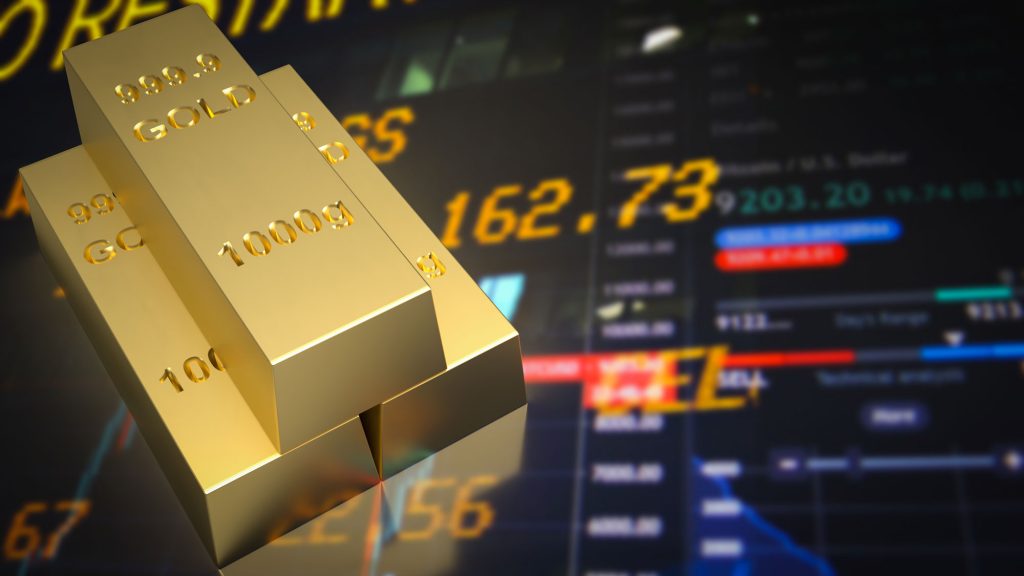
Gold prices remained stable near $3,396 per ounce, marking a critical level close to record highs. The metal’s resilience reflects ongoing investor appetite for safe-haven assets amid global uncertainties, including geopolitical tensions and fluctuating trade policies.
Improved trade negotiations between major economies have helped ease some risk-off sentiment, but gold’s allure persists as a hedge against inflation, currency volatility, and potential market disruptions.
Central bank buying of gold reserves also continues to provide underlying support, as institutions diversify reserves amid cautious monetary policies.
Silver, Platinum, and Base Metals: Consolidation Amid Mixed Signals
Unlike gold, silver and platinum experienced more muted movements, with futures largely flat over recent sessions. These metals are influenced by both their status as precious metals and their industrial applications.
-
Silver serves dual roles as a store of value and a critical component in electronics, solar panels, and medical devices. Its price stability reflects balanced supply and demand amid cautious market sentiment.
-
Platinum, heavily used in automotive catalytic converters and industrial processes, also traded in a narrow range. Demand from the automotive sector remains steady, although supply constraints and recycling dynamics continue to play a role.
-
Base metals such as copper and nickel showed mixed gains, influenced by ongoing OPEC+ supply decisions impacting energy costs and production expenses.
Impact of Trade Talks and Supply Factors
Progress in global trade talks has contributed to the calmer tone in precious metals markets. Reduced tariff threats and improving diplomatic relations have tempered volatility, allowing metals prices to consolidate rather than experience sharp swings.
At the same time, supply-side considerations—such as OPEC+ production cues and mining output reports—continue to influence metal prices indirectly. Energy prices remain a significant input cost for mining operations, linking commodity markets closely with metals.
Outlook for Traders and Investors
-
Safe-Haven Demand: Gold is expected to retain its appeal as a core component of diversified portfolios, particularly if geopolitical or economic uncertainties re-escalate.
-
Industrial Demand: Silver, platinum, and base metals may see renewed momentum if industrial production accelerates, especially in technology and automotive sectors.
-
Supply Constraints: Traders should monitor developments in mining output, energy costs, and OPEC+ decisions that may affect metals supply and pricing.
-
Trade Negotiations: Continued progress or setbacks in trade talks will remain key drivers of market sentiment and metals price volatility.
Conclusion
Precious metals markets have found a phase of relative calm amid advancing trade negotiations and steady industrial demand. Gold continues to hover near record highs, supported by safe-haven buying and central bank interest. Silver, platinum, and base metals are consolidating amid a complex mix of supply factors and balanced demand.
For traders, this environment offers both stability and potential opportunities, with ongoing geopolitical and economic developments poised to influence metals prices in the near term.