
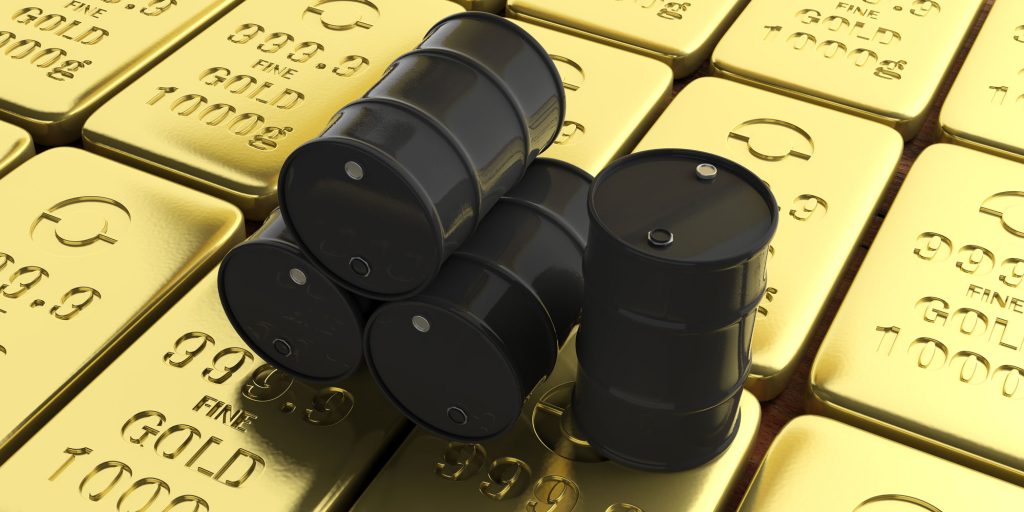
Oil Prices Retreat Amid OPEC+ Supply Outlook
On September 29, 2025, global oil markets experienced renewed downward pressure as traders adjusted positions ahead of the next OPEC+ meeting. Expectations that the cartel would authorize production increases in November contributed to a pullback in crude futures, offsetting gains from earlier in the month.
Brent crude slipped from recent highs, while U.S. WTI crude also retreated slightly. Market participants expressed caution, citing the risk of oversupply amid a global economic backdrop showing signs of slowing growth.
Gold Divergence Highlights Shift in Investor Flows
While oil retreated, gold prices surged past $3,800 per ounce, emphasizing a divergence between energy commodities and safe-haven assets. Analysts noted that investors are reallocating portfolios toward inflation-protected and low-risk assets as global uncertainties mount, particularly surrounding fiscal policies, interest rate expectations, and geopolitical developments.
This split between oil and gold reflects a market rotation: cyclical commodities such as oil face pressure from both potential oversupply and demand uncertainty, while precious metals benefit from hedging demand.
Key Influences on Oil Markets
1. OPEC+ Supply Dynamics
The expectation that OPEC+ nations — especially major Gulf producers — may increase output has dampened bullish sentiment. Traders are closely monitoring statements from Saudi Arabia and Russia, which historically have influenced market direction. Any signals of production discipline or delayed increases could swiftly reverse recent losses.
2. Global Demand Concerns
Demand forecasts for crude oil have grown increasingly uncertain amid signs of slowing economic momentum worldwide. Industrial activity in Europe is subdued, while growth in Asia remains uneven. A decline in consumption expectations continues to weigh on prices, creating a delicate balance for energy markets.
3. Currency Effects and Macro Risks
Movements in the U.S. dollar amplify price volatility. A stronger dollar tends to reduce oil demand from countries using other currencies, while macroeconomic risks—such as global inflation trends and interest rate policy—further influence commodity flows.
Risks to Monitor
-
Geopolitical Events: Conflicts or disruptions in key oil-producing regions could reverse price declines instantly.
-
Unexpected Supply Cuts: Any deviation from planned output could tighten the market and push prices higher.
-
Demand Shocks: Weaker-than-expected industrial output or economic slowdowns, particularly in China and Europe, may exacerbate downward pressure.
-
Currency Volatility: Significant USD movements could influence oil pricing and trading strategies.
Market Outlook
Looking ahead, oil is expected to remain under pressure unless OPEC+ signals tighter production discipline or demand improves significantly. Short-term traders may encounter increased volatility, especially around geopolitical developments or central bank announcements.
Meanwhile, gold appears poised to continue its upward trajectory, supported by safe-haven demand and expectations of potential rate cuts in late 2025. Investors are likely to maintain positions in precious metals while closely monitoring energy markets for supply-demand shifts.
ForexFlash Takeaway
September 29, 2025, illustrates a clear divergence in commodity flows. Oil faces downward pressure due to oversupply fears and slowing global demand, while gold continues to attract inflows as a safe-haven asset. Traders should adopt a diversified approach, maintaining exposure to gold for stability while cautiously monitoring oil for short-term opportunities and risks linked to OPEC+ announcements, geopolitical tensions, and macroeconomic indicators.