
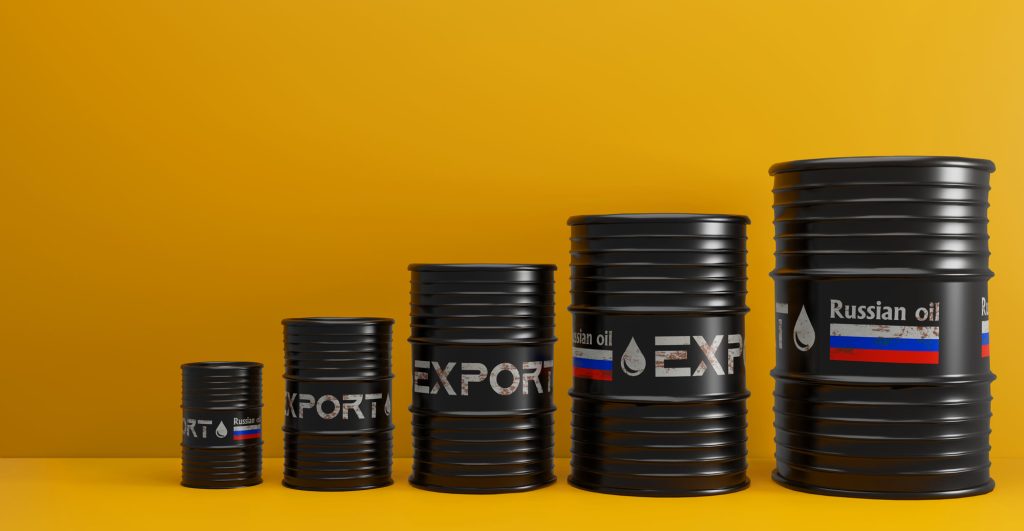
Overview: Oil Prices Cool After Geopolitical Surge
Oil markets pulled back slightly on August 26, 2025, after a strong rally the previous day sent prices to a two-week high. Supply fears related to the intensifying Russia-Ukraine conflict had sparked the earlier surge. However, as traders reassessed global demand signals and awaited key U.S. inventory data, prices eased across major benchmarks.
Brent crude settled at $68.64 per barrel, while West Texas Intermediate (WTI) dropped to $64.64 in early Tuesday trading.
Though the pullback appears modest, market sentiment remains tightly linked to geopolitical developments and the outlook for global supply chains.
Russia-Ukraine Tensions Continue to Drive Volatility
The energy markets remain highly sensitive to ongoing developments between Russia and Ukraine. Recent reports of infrastructure damage near key oil terminals in the Black Sea have amplified fears of supply disruptions. While no large-scale production cuts have been confirmed, the mere possibility of restricted Russian exports has been enough to trigger speculative buying.
Analysts believe any escalation in the conflict could quickly push Brent above the $70 level. “Geopolitical risk is back in play,” said a senior commodities strategist. “Even without actual supply cuts, the market is pricing in the potential for bottlenecks.”
U.S. Inventory Data and Demand Outlook Awaited
While geopolitical tension has been the main driver of price action, traders are now shifting their focus to more concrete market data—specifically, the upcoming U.S. Energy Information Administration (EIA) report on crude inventories.
Inventory figures are expected to show a drawdown of approximately 2.4 million barrels for the past week, which would indicate stronger-than-expected demand. However, if the draw is smaller—or if gasoline and distillate inventories rise—oil prices could face renewed downward pressure.
“Until we see the data, markets will trade cautiously,” said a futures trader based in New York. “The recent rally could fizzle if the numbers don’t support continued demand strength.”
OPEC+ Production Levels Under Scrutiny
In parallel, market participants are keeping a close watch on OPEC+ production levels. While the cartel has not announced new cuts, several member nations have reported declining exports. Analysts believe voluntary production limits by Saudi Arabia and reduced output from Nigeria are quietly tightening the market.
If OPEC+ signals further coordination in response to geopolitical risks, oil prices could see fresh upside in the weeks ahead.
Technical Levels and Market Positioning
From a technical standpoint, both Brent and WTI remain above key moving averages, which suggests a bullish medium-term trend. However, resistance near $69.50 for Brent and $66.00 for WTI may limit short-term gains unless new catalysts emerge.
Speculative long positions in oil futures have also increased in recent sessions, according to CFTC data. This signals growing investor confidence—but also raises the risk of a sharp pullback if sentiment turns quickly.
Conclusion
Oil prices eased slightly on August 26, 2025, following a brief rally fueled by geopolitical tensions in Eastern Europe. While Brent and WTI have cooled, the risk of renewed supply disruptions remains high.
Investors are closely watching both political developments in Russia and Ukraine and the upcoming EIA inventory data. Together, these factors will help determine whether oil continues higher—or gives back more of its recent gains.
For now, the market remains on edge, caught between fear-driven price spikes and the realities of global demand.