
Overview
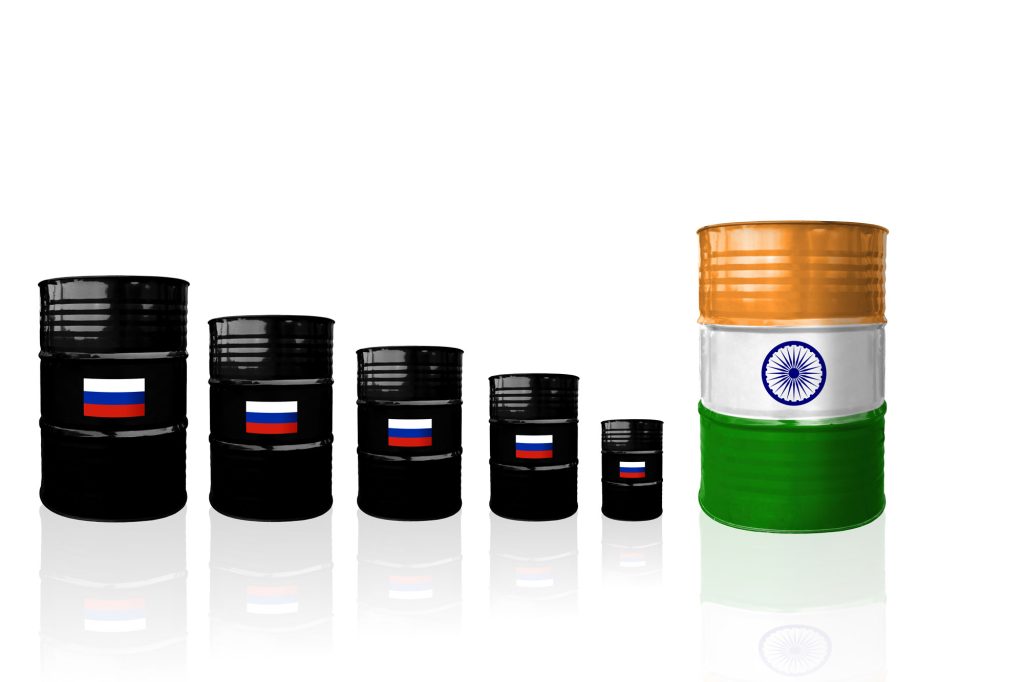
India is preparing to increase its imports of Russian oil by an estimated 10–20% in September 2025, a bold move that comes in direct defiance of escalating Western scrutiny and recently imposed U.S. tariffs of 50% on Indian exports. This development marks another chapter in India’s balancing act between energy security and growing geopolitical tensions with the West.
Despite rising pressure from Washington and its allies, Indian authorities and oil refiners remain focused on securing affordable crude amid global price instability. The decision comes at a time when Russia is offering significant discounts on its crude exports, following a series of Ukrainian drone attacks that have disrupted its refining infrastructure.
India Prioritizes Energy Security Over Western Alignment
India, the world’s third-largest oil importer, continues to prioritize energy affordability and accessibility over aligning with U.S. sanctions or Western trade policies. With domestic energy demand rising steadily and Brent crude prices hovering above $85 per barrel, securing discounted oil from Russia remains a strategic necessity.
According to officials from India’s Ministry of Petroleum and Natural Gas, the upcoming increase in imports is driven not just by pricing, but also by favorable delivery terms, long-term contracts, and the need to manage inflationary pressures at home.
This stance, while pragmatic from a domestic perspective, is adding friction to an already strained relationship with the United States, especially in light of the newly imposed tariffs that target several categories of Indian goods, including pharmaceuticals, auto components, and textiles.
Russian Discounts Lure Asian Buyers
India is not alone in turning to Russian oil. Several Asian economies, including China and Indonesia, are also increasing purchases amid steep discounts offered by Russian producers. These price cuts are a result of reduced refining capacity in Russia, following multiple attacks on oil infrastructure by Ukrainian drones in recent weeks.
With limited refining output, Russia has diverted more crude oil to international markets at attractive rates. These discounts—reportedly as much as $15–$18 below Brent—are particularly appealing to developing economies that are struggling with high inflation and currency depreciation.
Indian refiners such as Indian Oil Corporation (IOC), Bharat Petroleum, and Hindustan Petroleum are expected to increase procurement through both spot and long-term contracts, bypassing dollar-denominated payments via alternative currencies such as the dirham and yuan to avoid U.S.-controlled financial networks.
U.S. Tariffs Add Complexity to India’s Energy Decisions
India’s decision to deepen energy ties with Russia comes shortly after the U.S. imposed 50% tariffs on a range of Indian exports—a move widely seen as retaliation for India’s continued trade with sanctioned Russian entities.
These tariffs, which took effect earlier this month, threaten to reduce India’s export competitiveness in key industries and could impact bilateral trade relations. However, New Delhi has signaled that its energy policy will not be dictated by external political pressure.
Indian policymakers argue that as a sovereign nation, India must prioritize domestic economic stability, especially as it navigates post-pandemic recovery and global headwinds like high interest rates and sluggish demand in Europe.
Geopolitical Tightrope: Strategic Autonomy in Action
India’s foreign policy approach, often described as “strategic autonomy”, is once again on display. While India has deepened security cooperation with the U.S. through platforms like the Quad, it continues to maintain economic and energy ties with Russia, a longstanding defense and trade partner.
By increasing Russian oil imports, India risks drawing more criticism from Western governments, but it also reasserts its independent stance on foreign affairs. This positioning allows India to extract economic advantages from both blocs without fully aligning with either.
Implications for Global Energy Markets
India’s rising imports from Russia will likely shift oil trade flows further eastward, continuing a trend that has accelerated since the beginning of the Russia–Ukraine war. Western sanctions have diverted Russian oil away from Europe toward Asia, reshaping global energy logistics.
As India absorbs more of Russia’s discounted oil, OPEC+ producers may face added competition in key Asian markets. This could lead to further price differentiation and complex negotiations within the energy alliance, particularly between Russia and Gulf producers like Saudi Arabia.
ForexFlash Takeaway
India’s decision to ramp up Russian oil imports amid rising U.S. tariffs and geopolitical tension reflects a clear priority: energy security over external political expectations. As long as Russian oil remains heavily discounted, India is likely to continue increasing purchases, even if it means diplomatic friction with Western allies.
This realignment in energy trade underscores the growing fragmentation of global markets, where countries are increasingly making self-interest-driven decisions rather than adhering to broad geopolitical alliances.