
Overview
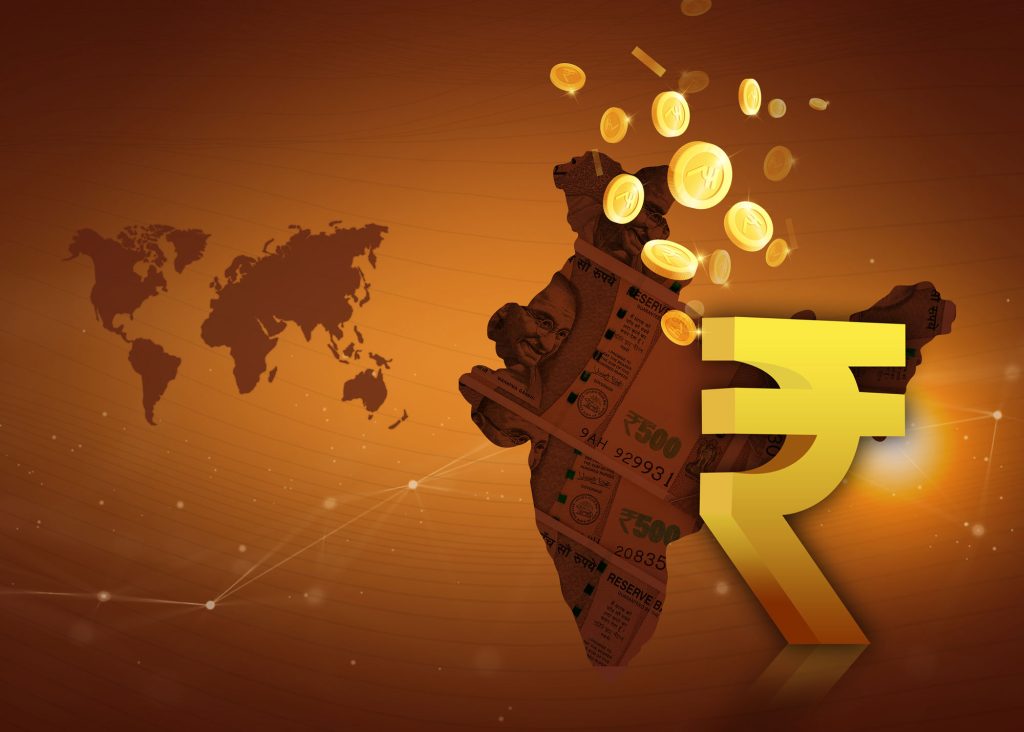
The Indian rupee dropped to an all-time low against the U.S. dollar today. Investors reacted strongly to the new 50% tariffs imposed by the United States on a broad range of Indian exports. This sharp decline has raised alarms in India’s financial markets. It also casts doubt on the country’s economic growth and corporate profits. The situation highlights the vulnerability of emerging market currencies amid rising trade tensions.
What Caused the Rupee’s Sharp Decline?
The rupee’s fall is mainly due to the recent U.S. decision to impose steep 50% tariffs on Indian goods. This tariff hike aims to protect U.S. industries. However, it makes Indian exports more expensive and less competitive in the U.S. market.
India exports many goods to the United States, including textiles, pharmaceuticals, IT services, and automotive parts. These sectors now face a major cost disadvantage. Since the U.S. is one of India’s largest trade partners, experts expect export volumes to drop significantly in the coming months.
Impact on India’s Economy and Corporate Sector
The tariffs affect more than just trade. Experts predict a slowdown in India’s export-driven growth model. Reduced export competitiveness will likely hurt manufacturing output and slow industrial growth.
Many export-dependent companies have revised their earnings forecasts downward. Textiles, pharmaceuticals, and IT outsourcing firms expect tighter profit margins. Higher tariffs mean their goods cost more, which could force some firms to cut back on investments and hiring.
Foreign direct investment (FDI) and portfolio inflows may also decline. Trade uncertainty and a weaker currency might scare off foreign investors. This could trigger more capital outflows, adding pressure on the rupee.
Market Reactions and Policy Responses
Currency traders quickly sold off the rupee as worries about India’s economic outlook grew. This increased volatility in the forex market.
The Reserve Bank of India (RBI) has signaled readiness to intervene. It may use foreign exchange reserves to stabilize the rupee or adjust monetary policy to counter inflation caused by a weaker currency.
Still, RBI must strike a balance. Too much intervention could deplete reserves or increase inflation. Too little could cause the rupee to slide further, raising import costs and fueling inflation.
Global Consequences of the Rupee’s Slide
India’s currency troubles affect more than just its own economy. As the world’s fifth-largest economy, instability in India can impact emerging markets worldwide.
Supply chains involving Indian exports could face disruption. This affects multinational companies and global trade flows. Also, India imports large amounts of crude oil and metals. A weaker rupee raises the cost of these imports, potentially causing global commodity price swings.
Investors and businesses worldwide are watching U.S.-India trade relations and currency trends closely.
What Traders and Investors Should Watch
The rupee’s volatility presents risks and opportunities for traders. Short-term speculators might benefit from price swings, but those invested in India face risks.
Traders should monitor RBI policy moves, inflation reports, trade talks, and global events. These factors will influence the rupee’s next moves.
Long-term investors should consider the risks from trade tensions and currency fluctuations when evaluating Indian stocks and bonds.
ForexFlash Summary
The Indian rupee’s sharp drop shows how trade policy affects currency markets and economic growth. The immediate impact of U.S. tariffs is negative, but India’s government and RBI can take steps to stabilize the situation.
Investors must stay alert to developments in trade relations and the global economy. These will shape the future of the Indian rupee and emerging markets.