
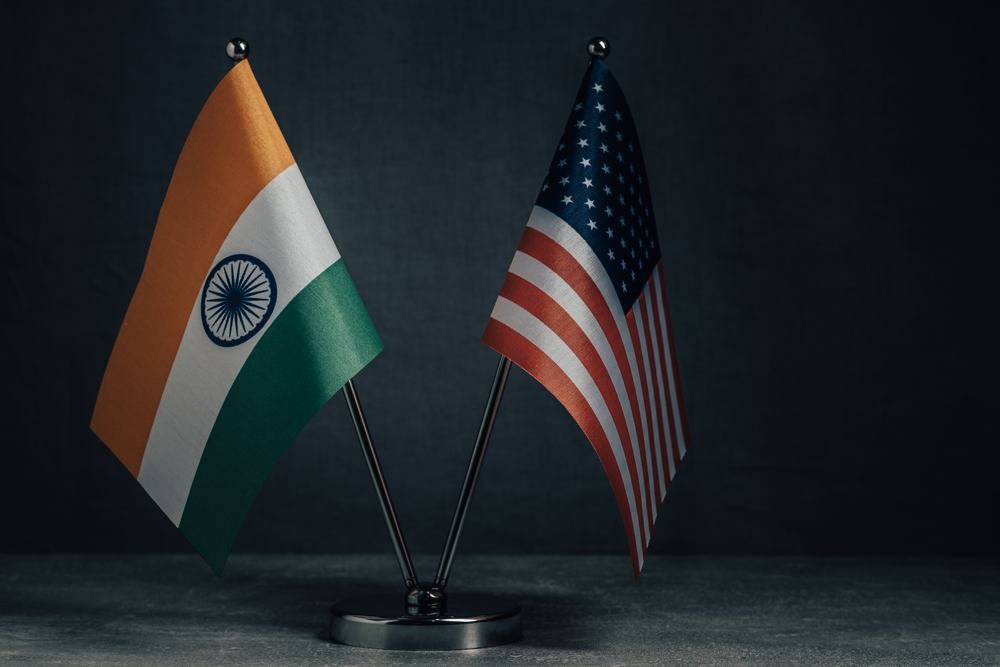
Markets in India and across Asia rallied Tuesday after the United States excluded India from a sweeping list of countries facing new import tariffs under former President Donald Trump’s latest trade campaign. The Indian rupee gained ground, foreign investors returned with confidence, and local equity markets recorded strong buying momentum.
This development comes just days ahead of what was previously set to be a July 9 tariff deadline, now pushed to August 1, giving markets more time to digest and price in global trade risks.
India Avoids the Tariff Crossfire
Trump’s campaign had initially hinted at potential duties on imports from 14 countries, including several in Asia. However, India was notably excluded, a move welcomed by policymakers and investors alike.
“This exemption gives Indian exporters breathing room and reassures investors that U.S.-India relations remain on stable footing,” said a Delhi-based trade economist.
Rupee Gains and Foreign Capital Flows Return
The Indian rupee (INR) strengthened notably at the open, trading at ₹85.70–85.75 against the U.S. dollar. This rebound came after weeks of modest depreciation, driven by dollar strength and global risk aversion.
Meanwhile, foreign institutional investors (FIIs) turned net buyers:
-
$81 million flowed into Indian equities
-
$19.6 million flowed into government bonds
This surge in inflows indicates renewed confidence in India’s relative immunity from escalating U.S. trade tensions.
Broader Market Reaction
The Nifty 50 and Sensex opened higher, led by:
-
IT stocks, buoyed by lower currency risk
-
Exporters, who benefit from tariff clarity
-
Banking and Financials, driven by improved capital inflows
Regional markets also performed well, with investors interpreting India’s exemption as a sign that the U.S. may still be selective and strategic in applying protectionist policies.
What’s Next for India?
Analysts suggest that India’s exemption could:
-
Support the rupee in the near term, with potential for ₹84.50 if global risk appetite improves
-
Encourage further foreign direct investment (FDI) in trade-linked sectors
-
Strengthen India’s negotiating position in upcoming bilateral trade talks
India’s central bank (RBI) is also expected to stay neutral on FX intervention unless volatility spikes, as stability serves both growth and inflation objectives in the current environment.
Strategic Opportunity for India
With other countries facing U.S. tariff headwinds, India may benefit from export substitution opportunities in sectors such as:
-
Pharmaceuticals
-
Textiles
-
Auto components
-
Technology services
This could further solidify India’s position as a trusted global supply chain partner—a theme that has gained traction since the pandemic.
Conclusion
India’s exclusion from the latest round of U.S. tariffs is a clear market-positive signal. The rupee has rebounded, foreign money is flowing back in, and India is emerging as a regional safe haven amid rising global trade tensions. If handled strategically, this exemption could yield both short-term financial gains and long-term geopolitical leverage.
ForexFlash will continue tracking FX trends, global trade shifts, and regional market movements in the days ahead.