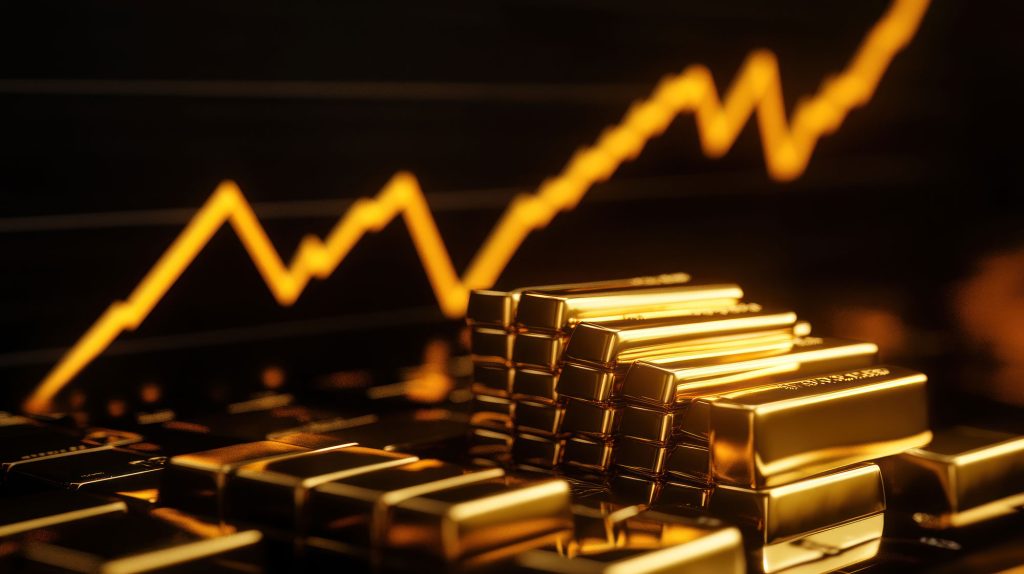
Gold futures soared past the $3,600 per ounce mark on September 12, 2025, setting new all-time highs as investors around the globe flocked to the precious metal amid escalating economic uncertainties. This dramatic surge in gold prices underscores the metal’s enduring role as a safe-haven asset during periods of financial volatility, geopolitical tension, and persistent inflation concerns.
Why Are Gold Prices Surging?
The sustained rise in gold prices is fueled by a complex mix of factors currently roiling global markets. Foremost among them is the persistent fear of inflationary pressures that continue to erode the purchasing power of fiat currencies worldwide. Inflation, often exacerbated by supply chain disruptions and expansive fiscal policies, is causing investors to seek assets that can preserve wealth.
At the same time, geopolitical instability—ranging from regional conflicts to strained international relations—has heightened risk aversion. Investors are increasingly turning to gold as a reliable store of value when traditional asset classes such as equities and bonds become more volatile.
Geopolitical Tensions and Their Impact on Gold
Heightened geopolitical risks remain a significant catalyst for gold’s rally. Conflicts in critical regions, diplomatic standoffs, and uncertainties surrounding major global powers contribute to market anxiety. Historically, such conditions have bolstered demand for gold, which benefits from its universal acceptance and liquidity.
Current geopolitical flashpoints, including tensions in the Middle East and escalating trade disputes, are contributing to a sustained bid for the metal. As these risks persist, market participants expect gold’s appeal as a hedge against uncertainty to continue growing.
Inflation and Central Bank Policies
Persistent inflation is another major driver behind gold’s recent surge. Despite efforts by central banks to rein in inflation through interest rate hikes, many economies are still grappling with price pressures across food, energy, and commodities. This environment favors gold, which traditionally acts as an inflation hedge.
Interestingly, some central banks are adopting cautious monetary policies—balancing rate hikes with concerns over slowing economic growth—which further supports gold’s attractiveness. In this context, gold offers a unique combination of safety and potential capital appreciation, making it an essential element in diversified portfolios.
Market Volatility and Safe-Haven Demand
The current volatility in equity markets has reinforced gold’s role as a safe haven. When stock markets experience sudden swings due to macroeconomic concerns or geopolitical shocks, gold often benefits from increased buying activity. This inverse relationship between gold and riskier assets underpins much of the recent price momentum.
Institutional investors and hedge funds have notably increased their allocations to gold-related instruments, including physical bullion, ETFs, and mining stocks. This trend is expected to continue as global uncertainties linger.
Future Outlook: Could Gold Reach $5,000 an Ounce?
Leading financial institutions and market analysts are projecting that gold prices could continue their upward trajectory. If inflation remains unchecked and geopolitical tensions escalate further, the precious metal could potentially reach $5,000 an ounce within the coming months or years.
Such a scenario would represent an unprecedented level for gold, highlighting its critical role in risk management and wealth preservation amid uncertain economic conditions. Investors are advised to monitor global economic indicators, central bank decisions, and geopolitical developments closely to gauge future price movements.
Strategic Considerations for Investors
Given the current macroeconomic backdrop, investors should consider gold as a core component of a well-balanced investment portfolio. Its capacity to hedge against inflation, currency depreciation, and market volatility makes it particularly valuable in uncertain times.
Diversification strategies that include physical gold, ETFs, or gold mining equities can help manage risk and enhance portfolio resilience. Additionally, keeping abreast of global political developments and central bank policies is essential for timing entry and exit points in the gold market.
Conclusion
Gold’s surge past $3,600 per ounce on September 12, 2025, is a clear indicator of the metal’s enduring status as a safe-haven asset amid rising economic uncertainty. With inflation fears, geopolitical tensions, and market volatility all contributing to increased demand, gold remains a crucial tool for investors seeking stability and protection in turbulent times.
As forecasts of further gains gain traction, prudent investors will continue to monitor global economic conditions to capitalize on opportunities within the gold market.