
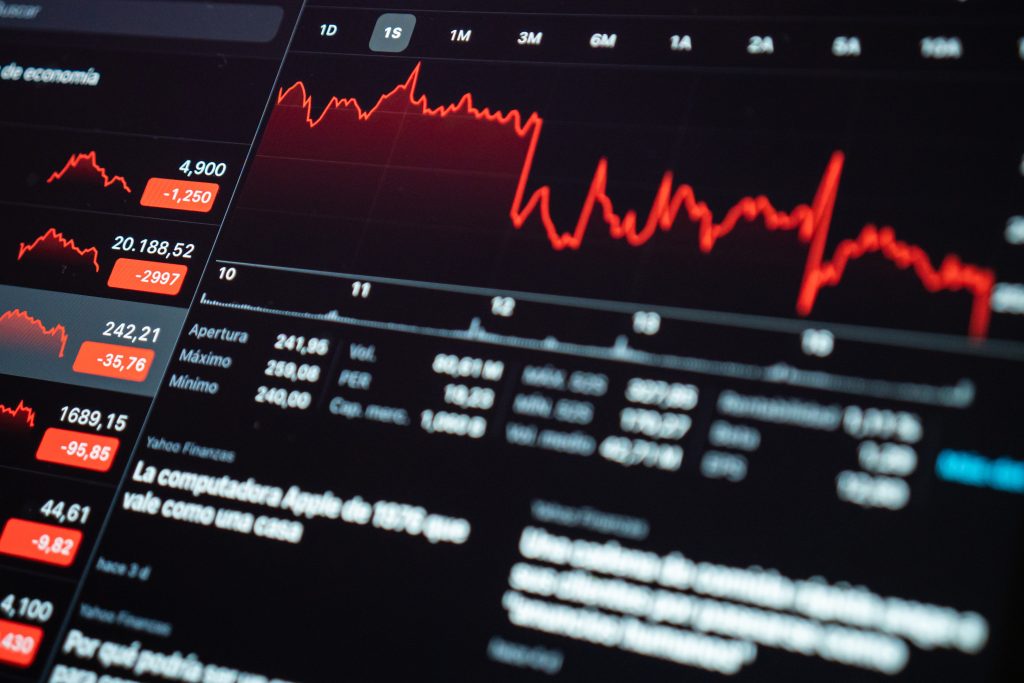
Global stock markets presented a mixed picture today as investors grappled with escalating trade tensions and a weaker U.S. dollar, ahead of a critical tariff deadline set for July 9. While some Asian benchmarks struggled, others showed resilience, and European indexes posted cautious declines. Meanwhile, U.S. equity markets were closed for the Independence Day holiday, leaving traders to weigh macro risks in quieter volumes.
The session reflects growing investor sensitivity to geopolitical developments — particularly around U.S. trade policy — and an increasingly fragile global growth outlook.
Regional Market Performance
📉 Asia: South Korea and Taiwan Drop
-
South Korea’s KOSPI: fell 2%, its worst single-day decline in nearly two weeks
-
Taiwan’s TAIEX: down 0.9% on tech-sector weakness and foreign fund outflows
-
Japan’s Nikkei 225: edged up 0.3% as exporters benefited from a softer yen
Concerns over supply chain disruptions and Trump’s proposed tariffs weighed heavily on export-heavy indices in Asia.
📉 Europe: Mild Losses Reflect Caution
-
Germany’s DAX: down 0.5%, with auto and industrial shares dragging
-
France’s CAC 40: slipped 0.4%, led by consumer cyclicals
-
FTSE 100 (UK): dipped 0.3%, with miners and oil firms flat to weaker
Investors were also awaiting guidance from this week’s upcoming ECB policy minutes and German industrial orders, both expected to shed light on the region’s macro resilience.
Dollar Retreats as Risk Sentiment Shifts
The U.S. dollar index (DXY) fell 0.25%, marking its third straight session in the red. Currency traders interpreted Trump’s tariff rhetoric and weaker ADP jobs data as reasons for caution, reducing long dollar positions.
Key FX Moves:
-
EUR/USD: rose to 1.0995, nearing a short-term resistance level
-
GBP/USD: climbed to 1.2753, helped by a rebound in UK construction PMI
-
USD/JPY: dropped to 143.60, reflecting safe-haven flows into the yen
-
AUD/USD: up 0.4%, benefiting from stable commodity demand
Emerging market currencies like the Mexican peso and South African rand saw mild strength, supported by improving sentiment around U.S. interest rate stability.
Macro Themes Behind the Moves
-
Trade Fears Escalate: Trump’s threat to impose unilateral tariffs is reviving fears of global decoupling, putting pressure on export-driven equities
-
U.S. Market Closure: With American traders offline for the holiday, volumes were thin and volatility elevated in Europe and Asia
-
Central Bank Uncertainty: Investors are bracing for key data points this week — including U.S. jobs, China’s inflation, and ECB minutes — all of which could reshape rate expectations
Commodities and Bond Markets
-
Oil prices: were steady to slightly lower, as markets await clarity from the upcoming OPEC+ meeting
-
Gold: ticked higher toward $3,350/oz, maintaining its safe-haven status
-
10-year German bund yields: dipped 3 basis points to 2.11%, while U.K. gilts held flat
Conclusion
Markets appear stuck in a state of suspended risk — not yet in panic mode, but increasingly wary of a re-emerging trade conflict, a cooling labor market, and fading global growth momentum. The next 5–7 trading days may prove critical in determining sentiment direction for Q3.
Stay with ForexFlash for daily market briefings, forex insights, and volatility indicators across global indices.