
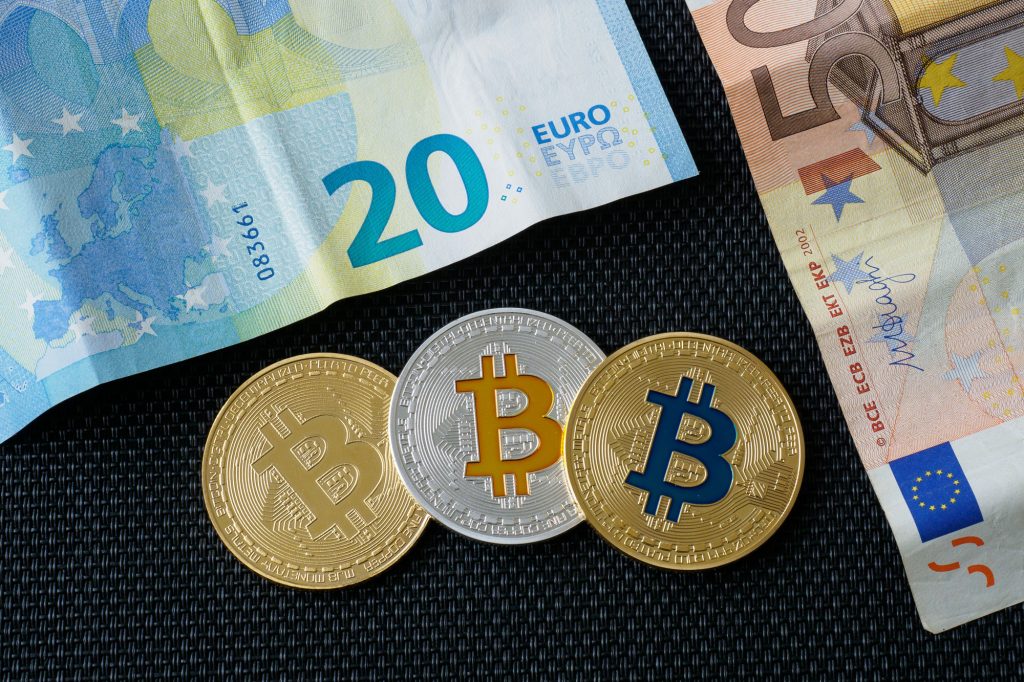
European Banks Form Stablecoin Consortium
In a landmark move, nine of Europe’s largest banks have announced the creation of a joint company to issue a euro-denominated stablecoin. The initiative is designed to redefine digital payments, settlement, and cross-border transactions within the European Union and beyond.
The consortium includes well-known institutions such as ING, UniCredit, KBC, Danske Bank, CaixaBank, SEB, Raiffeisen Bank, DekaBank, and Banca Sella. Operating under regulatory oversight in the Netherlands, the new venture underscores Europe’s determination to play a leading role in the global shift toward blockchain-based financial systems.
Strategic Goals of the Euro Stablecoin
The banks’ decision to create a common digital asset reflects several key objectives:
-
Enhancing euro sovereignty: Reducing reliance on U.S. dollar-denominated stablecoins while promoting the euro as a viable digital settlement currency.
-
Boosting payment efficiency: Enabling instant, low-cost transfers across banks, businesses, and individuals in the Eurozone.
-
Integrating traditional finance with blockchain: Leveraging banking credibility and compliance to make stablecoins more widely accepted.
-
Supporting innovation: Creating a foundation for smart contracts, programmable money, and digital commerce within a regulated European framework.
This initiative goes beyond mere digital transformation; it represents a strategic defense of Europe’s financial independence in a world dominated by dollar-based assets and emerging central bank digital currencies (CBDCs).
Market and Industry Implications
The launch of a euro stablecoin could reshape both European and global finance:
-
Banks and fintechs will gain a secure on-chain settlement asset, improving cross-border efficiency.
-
Corporates can leverage faster, transparent settlement for trade and treasury operations.
-
Consumers could eventually see cheaper remittance and retail payment solutions.
-
Crypto adoption in Europe may accelerate as a trusted euro-backed digital currency enters the ecosystem.
At the same time, the euro stablecoin will put pressure on existing dollar-backed coins such as USDT and USDC, as well as on central banks exploring CBDCs.
Challenges and Risks
While the project is ambitious, execution will face hurdles:
-
Regulatory complexity: Compliance with both EU and global rules will be crucial.
-
Governance among banks: Aligning strategies and interests across nine institutions poses challenges.
-
Adoption uncertainty: Widespread usage will depend on integration with businesses, fintechs, and consumers.
-
Technology risks: Security, scalability, and blockchain interoperability remain key concerns.
Still, the collective weight of nine major banks gives the initiative unprecedented credibility compared to privately issued stablecoins.
Outlook and Next Steps
The consortium has announced that a CEO will be appointed shortly to oversee development and implementation. Pilot projects are expected to begin in the near future, likely focusing first on institutional payments and interbank settlement before expanding to corporate and consumer applications.
Over time, additional banks and financial players could join, creating an even stronger network effect. If successful, the euro stablecoin could become a benchmark digital asset for Europe and a serious competitor to both private stablecoins and central bank digital currencies.
Conclusion
The decision by nine leading banks to launch a regulated euro-denominated stablecoin signals a turning point for Europe’s financial system. By uniting traditional banking strength with blockchain technology, the initiative positions the euro as a key player in the digital asset era.
If executed effectively, this move could transform payment infrastructure, reinforce financial sovereignty, and establish Europe as a leader in regulated digital finance.