
Overview
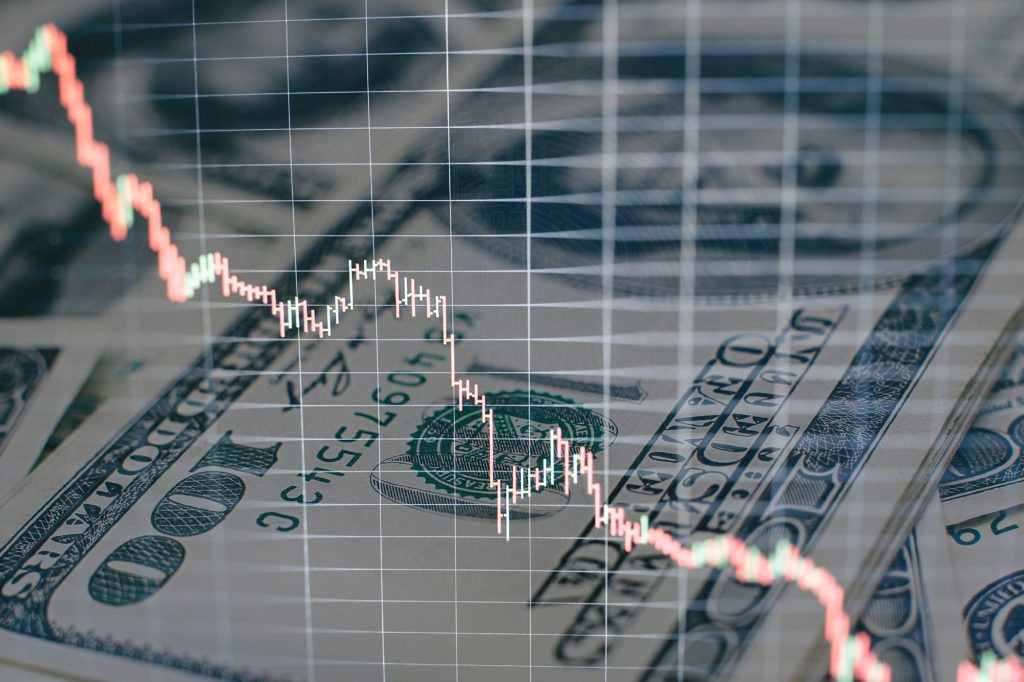
The U.S. dollar fell to a five-week low on Tuesday. Traders increased their bets that the Federal Reserve will cut interest rates later this month. This weakness in the dollar fueled a rally in gold and lifted global risk sentiment. Investors are now preparing for high-impact data, including U.S. inflation and employment numbers, that could shift market expectations again.
Dollar Slips as Fed Easing Bets Climb
Currency markets reacted strongly to growing speculation of a Fed policy pivot. The U.S. Dollar Index (DXY) dropped below 102.00, hitting a key technical support level. The move followed softer economic indicators and more dovish signals from the central bank. Futures markets now reflect a 75–80% probability of a 25-basis-point rate cut in September.
The euro, pound, and yen all gained against the greenback. Commodity-linked currencies, such as the Australian and Canadian dollars, also climbed. Traders are positioning for looser U.S. financial conditions.
“The market is front-running a shift in policy tone from the Fed,” said a senior FX strategist.
Gold Surges as Dollar Weakens and Rate Bets Rise
Gold prices jumped above $2,150 per ounce, reaching a two-month high. A weaker dollar and lower U.S. yields made gold more attractive to investors. The anticipation of lower interest rates reduced the opportunity cost of holding non-yielding assets like gold.
Central banks, especially in Asia and the Middle East, also increased their gold holdings. Their continued buying reflects longer-term shifts in reserve strategy and reduced reliance on the dollar.
“Gold is reacting to both short-term rate expectations and long-term monetary uncertainty,” noted a commodities analyst.
FX Volatility Likely to Rise Before Key Data
Traders are now focusing on upcoming U.S. data. August’s Consumer Price Index (CPI) and non-farm payrolls (NFP) could heavily influence the Fed’s next decision. Stronger numbers may delay a rate cut. Weaker results may reinforce market expectations for easing.
Currency markets remain sensitive. Option volumes are rising, and volatility indicators suggest more swings ahead.
“Positioning is leaning dovish, but the data could quickly change that,” one trader said.
Global Risk Assets Supported by Softer Dollar
The falling dollar has helped global equities and emerging markets. Lower U.S. rates ease financial conditions worldwide, supporting assets tied to growth and yield.
Emerging market currencies, including the Mexican peso and Indian rupee, gained ground. Investors returned to riskier assets, encouraged by the easing outlook.
Commodities such as oil, copper, and silver also moved higher. A softer dollar typically boosts demand for dollar-priced goods.
Market Outlook: Focus on Fed and Data Releases
Despite current optimism, analysts warn that sentiment may shift again. Inflation is still above target. The labor market remains tight. The Fed has said it will remain data-dependent.
Investors will watch:
-
Non-farm payrolls (Sept 6): Key for labor strength
-
CPI data (Sept 12): Crucial for inflation outlook
-
FOMC meeting (Sept 18): Potential rate cut decision
“The market has moved ahead of the Fed,” one economist said. “The data will now need to justify that move.”
Conclusion
The dollar’s decline highlights how quickly expectations can shift in today’s market. Rate cut hopes have boosted gold, improved risk appetite, and increased forex volatility. But with major economic data ahead, nothing is certain. Investors should remain alert as markets adjust to changing signals from the Fed.