
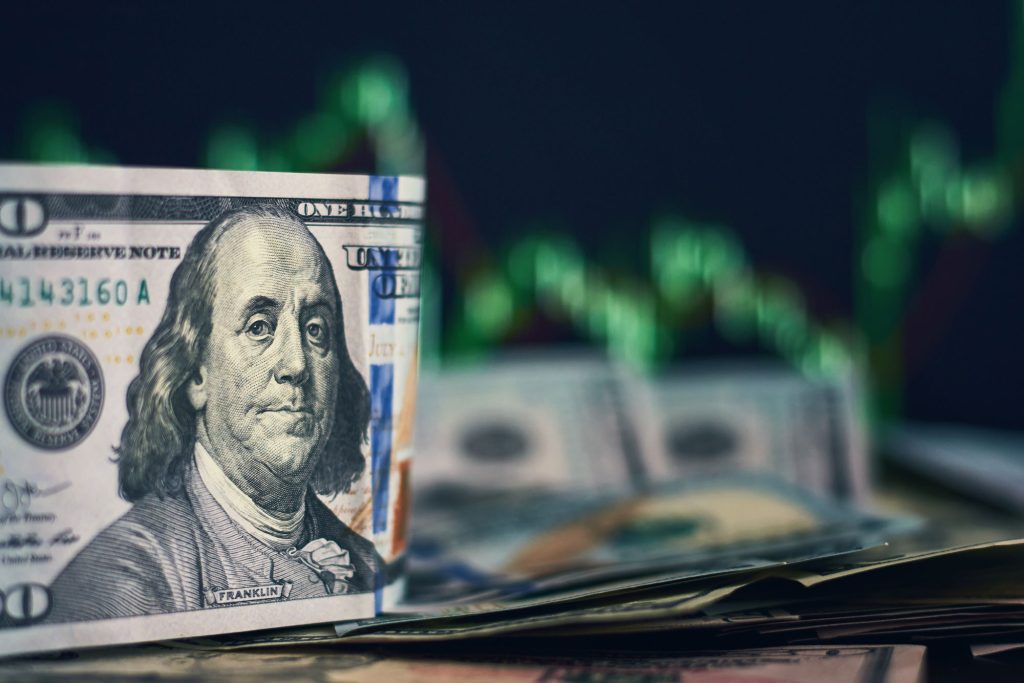
U.S. Dollar Maintains Stability Amid Global Uncertainty
On August 18, 2025, the U.S. dollar remained resilient as traders balanced geopolitical concerns with expectations of Federal Reserve guidance. The dollar index (DXY) hovered near 97.85, showing minimal volatility despite ongoing tensions in Eastern Europe and Asia. Analysts attribute the dollar’s steadiness to its continued role as a safe-haven asset during periods of macroeconomic and geopolitical uncertainty.
Investors were particularly attentive to high-level diplomatic meetings, including U.S. President Trump’s discussion with Ukrainian President Zelenskiy and his alignment with Russian President Putin regarding potential peace talks. These developments contributed to a cautious optimism, stabilizing demand for the dollar as traders prepared for potential market shifts.
Fed Signals at Jackson Hole Under Scrutiny
The spotlight remains on the upcoming Jackson Hole Economic Symposium (August 21–23), where Federal Reserve Chair Jerome Powell is expected to provide guidance on U.S. monetary policy. Investors are analyzing whether the Fed may maintain, tighten, or ease interest rates in the coming months.
Recent U.S. economic data, including strong employment and consumer spending figures, has decreased the probability of a September rate cut from 98% to 84%, signaling market confidence in continued Fed vigilance. This combination of strong macro data and anticipated Fed guidance underpins the dollar’s current stability, even as traders position for potential volatility.
Forex Market Reactions: Yen, Euro, and Sterling
Currency movements reflected nuanced investor sentiment:
-
Japanese Yen: Experienced slight depreciation against the dollar, pressured by Japan’s lower interest rates relative to the U.S. and continued safe-haven flows into the dollar. Export-oriented Japanese companies may face headwinds from a stronger dollar, but investors saw this as a short-term adjustment rather than a structural shift.
-
Euro: Showed limited movement, as European Central Bank (ECB) policy expectations remain balanced against geopolitical developments in Eastern Europe and trade uncertainties.
-
British Pound: Sterling remained relatively flat, with traders awaiting Bank of England commentary and Brexit-related developments impacting investor confidence.
Currency strategists emphasize that while the dollar is steady, any unexpected geopolitical escalation or surprise Fed comments could prompt rapid adjustments in forex markets.
Cryptocurrency Market Reacts to Macro Signals
Cryptocurrencies demonstrated sensitivity to both geopolitical and macroeconomic developments. Bitcoin and Ether retreated from recent highs on August 18, reflecting a temporary shift in risk appetite toward safer assets.
Crypto market analysts note that digital assets are increasingly influenced by broader financial conditions. A steady U.S. dollar combined with cautious investor positioning ahead of the Jackson Hole symposium has contributed to short-term declines. Despite the pullback, many investors view dips as buying opportunities, anticipating renewed interest once central bank signals and geopolitical clarity emerge.
Market Volatility and Risk Assessment
While the dollar’s stability provided a supportive backdrop for global markets, traders remain alert to potential volatility triggered by:
-
Fed policy signals at Jackson Hole
-
Geopolitical developments in Ukraine, Russia, and other global hotspots
-
Shifts in U.S. economic indicators, such as inflation and employment
-
Investor sentiment in risk-on vs risk-off scenarios
Financial advisors recommend monitoring the interplay between safe-haven currencies, risk-sensitive assets, and digital currencies to anticipate market reactions in the short term.
Conclusion
On August 18, the U.S. dollar held firm amid geopolitical uncertainty and expectations of Federal Reserve guidance at the Jackson Hole symposium. Cryptocurrencies like Bitcoin and Ether experienced modest pullbacks, highlighting sensitivity to macroeconomic conditions. Traders are closely watching global developments and Fed policy signals to navigate potential volatility in forex and crypto markets.