
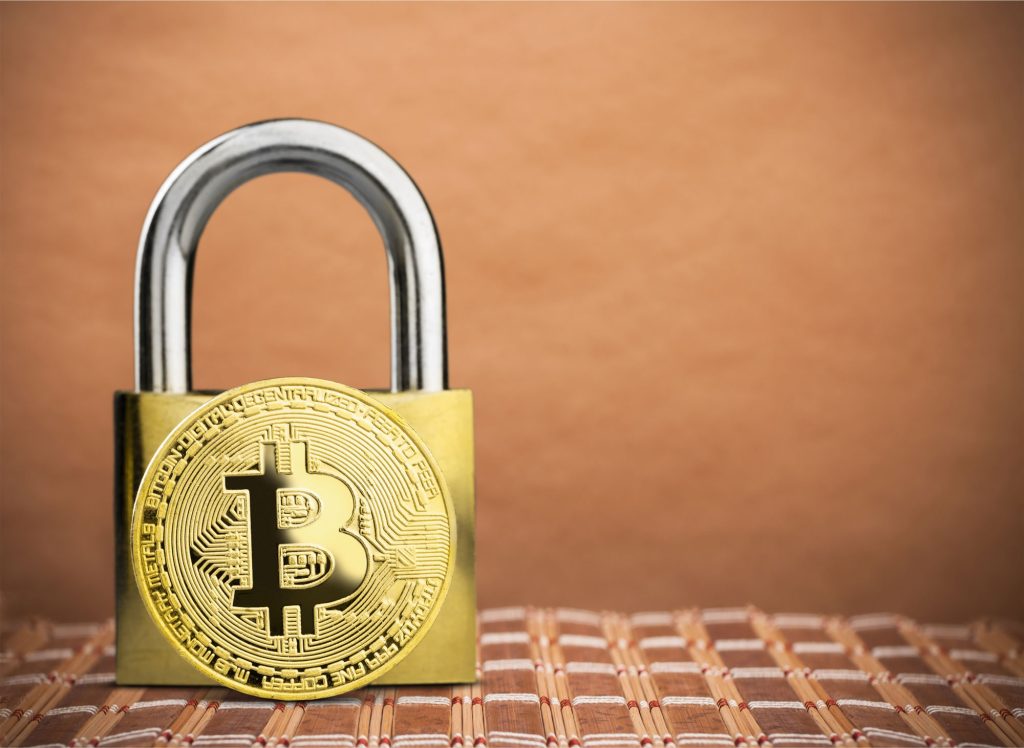
Circle Considers Reversible Stablecoin Transfers
Stablecoin issuer Circle, the company behind USD Coin (USDC), is evaluating a new concept that could transform the digital payments ecosystem: reversible stablecoin transactions. Unlike traditional crypto transfers that are irreversible once executed, Circle’s proposal aims to bring a layer of consumer protection, fraud prevention, and compliance that mirrors aspects of traditional financial systems.
This development reflects growing pressure on stablecoin providers to bridge the gap between crypto and mainstream finance, particularly as regulators and institutions demand greater accountability in digital money systems.
Why Reversible Transactions Matter
At the heart of Circle’s proposal is the recognition that irreversibility is both crypto’s strength and weakness. On one hand, it ensures security, transparency, and censorship resistance. On the other, it exposes users to permanent losses from fraud, scams, or errors.
By enabling reversibility under strict conditions, Circle aims to:
-
Boost consumer confidence by offering a safety net similar to chargebacks in traditional banking.
-
Increase institutional adoption, as businesses and financial firms require safeguards for large-scale transfers.
-
Satisfy regulatory demands for consumer protection without undermining crypto’s efficiency.
-
Expand mainstream usability, making stablecoins more practical for retail and commercial payments.
How It Might Work
While technical details remain under review, the system could include:
-
Smart contract mechanisms that flag transactions for reversal within a limited time frame.
-
Independent oversight bodies or automated arbitration processes to decide on disputes.
-
Identity-linked wallets where reversibility applies only to verified users, balancing compliance with privacy.
-
Selective applicability, ensuring reversibility does not compromise wholesale or DeFi use cases.
Such a framework would maintain finality for most transactions while offering targeted protection in high-risk scenarios.
Implications for the Crypto Market
If successful, Circle’s model could mark a paradigm shift in stablecoin adoption:
-
Competitive edge: USDC could gain a regulatory and commercial advantage over rivals like Tether’s USDT.
-
Greater institutional trust: Businesses hesitant about irreversibility may adopt USDC for treasury and settlement.
-
Shift in crypto ethos: The concept challenges the industry’s “code is law” principle, sparking debate between decentralization purists and pragmatists.
-
DeFi integration: Smart contract compatibility will determine whether reversibility is embraced in decentralized ecosystems.
Risks and Criticism
The proposal is not without controversy:
-
Centralization concerns: Critics argue reversibility introduces excessive control and undermines crypto’s decentralized ethos.
-
Abuse potential: If poorly governed, reversal mechanisms could be exploited or politicized.
-
Technical vulnerabilities: Complex smart contracts add new attack surfaces for hackers.
-
Market fragmentation: Multiple versions of stablecoins (reversible and non-reversible) could confuse users and split liquidity.
Despite these concerns, Circle’s plan reflects a growing recognition that mainstream adoption requires compromise between innovation and regulation.
Investor Outlook
For traders and investors, the introduction of reversible stablecoin transfers has several implications:
-
Short-term impact: Anticipation of regulatory approval could lift USDC adoption and boost Circle’s valuation.
-
Medium-term strategy: Institutions may pivot to USDC as a safer alternative, impacting demand for other stablecoins.
-
Long-term vision: If reversibility becomes an industry standard, it could redefine digital payment rails globally.
Conclusion
Circle’s exploration of reversible stablecoin transactions highlights the ongoing evolution of digital finance. By attempting to merge the security of blockchain with the consumer protections of traditional finance, Circle may create a hybrid model capable of attracting regulators, institutions, and retail users alike.
If executed effectively, this innovation could position USDC as the most trusted stablecoin in the market, reshaping both crypto adoption and the future of digital payments.