
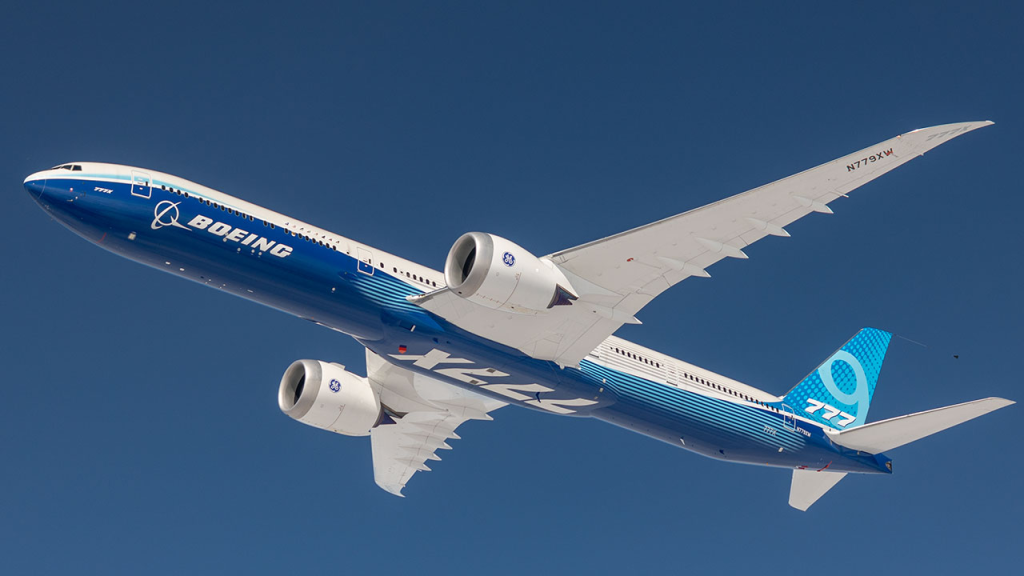
A Boeing 787 jet identical to the one that crashed in India made four emergency landings in less than a month earlier this year.
Some of the incidents involving the American Airlines plane were linked to issues with its wing flaps – vital control surfaces now under scrutiny following the Indian crash, after phone footage appeared to show they were not properly deployed.
Boeing shares were priced 8 per cent lower before the opening bell in New York and were later down 5 per cent as news of the tragedy, which killed 241 people on board the plane leaving a sole survivor, revived safety concerns about a company only just emerging from a crisis surrounding the 737 Max jet.
The aircraft dumped fuel over the North Sea before landing at Schiphol airport at a higher than normal speed, attributed to the flaps problem.
The flight was rescheduled, only to be cancelled after its crew discovered a hydraulics issue.
In the following weeks, the plane – which was eight years old and had completed more than 4,000 flights – was forced to abort flights to Philadelphia from Dublin, Barcelona and Zurich.
Flaps affect an aircraft’s aerodynamics by changing the shape of the wing and play a crucial role in getting it airborne.
Yet based on some interpretations of footage of the Air India plane, they were fully retracted, a position in which they would have provided only minimal lift – raising questions around whether they had malfunctioned and were no longer responding to inputs from the cockpit.
One possibility is that the landing gear became stuck and that the pilots responded by partially retracting the flaps to reduce drag and maintain the climb. If the adjustment was overdone, the plane would lose lift and begin to descend.
Questions had previously been raised about possible flaws in the construction of the 787.
‘Faulty engineering’
Sam Salehpour, a Boeing engineer, came forward in 2021 with claims that the firm had cut corners on the Dreamliner, allowing “faulty engineering and faulty evaluation of the data” which meant that defective parts had potentially been installed in some planes.
Mr Salehpour claimed to have noticed issues with the filling in of gaps between fuselage segments, known as shimming, which he said could cause fatigue cracks over repeated flights.