
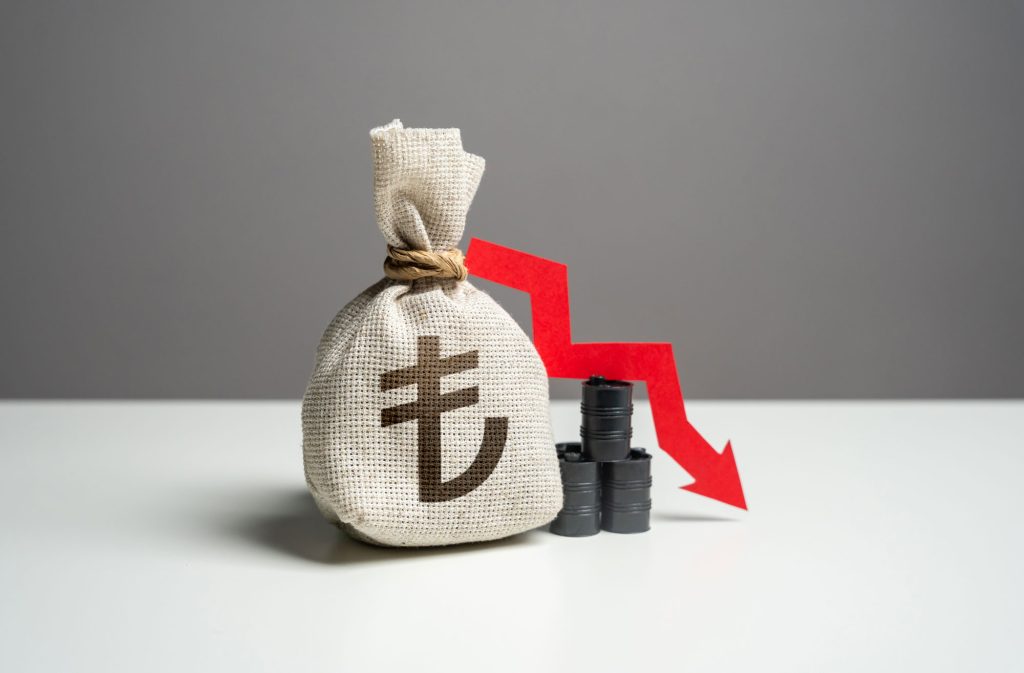
Asian currencies extended their slide on Friday, driven by the strengthening U.S. dollar and a sharp rise in U.S. Treasury yields. Among the hardest hit was the Indian rupee, which approached its all-time low, sparking renewed concerns over inflation, trade costs, and investor confidence in emerging markets. The continued weakness across Asian foreign exchange markets reflects broader global macroeconomic trends and highlights vulnerabilities within regional economies.
Rupee Nears Record Low Again
The Indian rupee dropped to ₹88.32 per U.S. dollar during intraday trading, approaching its record low of ₹88.4550 set last week. It later stabilized marginally but remained under pressure at ₹88.30. Market participants had hoped the rupee might find support near this psychological level, but broader losses across the region and persistent dollar strength pushed it lower.
Despite initial signs of stabilization earlier in the week, Friday’s price action confirmed that investor sentiment remains fragile. FX traders cited the absence of strong intervention by the Reserve Bank of India as one reason why the rupee remained under selling pressure.
What’s Driving the FX Pressure
1. Dollar Strength and Hawkish Fed Tone
While the Federal Reserve cut rates earlier this week, the accompanying statements by Fed Chair Jerome Powell were interpreted as cautious. Rather than committing to a full easing cycle, the Fed emphasized its data-dependence and concerns about sticky inflation. This hawkish tilt helped reverse the dollar’s initial losses and lifted the U.S. dollar index to fresh multi-week highs.
Yields on U.S. 2-year Treasury notes also rebounded, climbing more than 10 basis points from intraday lows. This upward movement in yields reinforced global demand for dollar-denominated assets and weighed heavily on risk-sensitive emerging market currencies.
2. Broad-Based Regional Weakness
The rupee’s decline did not happen in isolation. The Korean won and Indonesian rupiah each dropped about 0.5% on the day, while other Asian currencies also slipped. This regional weakness suggests that systemic, rather than country-specific, factors are at play.
Currency strategists pointed to a synchronized sell-off across Asian FX markets due to rising U.S. yields, lack of aggressive central bank support, and global portfolio reallocation toward safer, yield-bearing assets.
Forward Markets and Technical Indicators
Traders in the forward markets continue to price in further depreciation in the rupee. Non-deliverable forwards for the one-month contract imply a likely open near ₹88.20–₹88.22 for the next session.
Technically, support around ₹88.00 failed to hold, and the current market structure suggests vulnerability toward a new record low. Resistance now appears near ₹87.75, and any sustained rally above that would require strong intervention or a broad reversal in dollar sentiment.
Macroeconomic Implications for India
1. Rising Inflation Pressures
A weakening rupee typically results in higher import costs, especially for essential commodities like crude oil, electronics, and fertilizers. Given that India relies heavily on imports for energy and raw materials, a sustained slide in the rupee could feed directly into consumer prices.
With inflation already above the central bank’s comfort zone, a falling currency presents a double challenge: it limits monetary policy flexibility while worsening cost-of-living pressures.
2. Higher Borrowing Costs
Indian corporations and the government that have borrowed in foreign currency now face rising costs in servicing that debt. If the rupee continues to depreciate, repayments become more expensive in local currency terms, potentially affecting balance sheets and public finances.
3. Capital Flow Risk
Foreign portfolio investors tend to retreat from markets where currency volatility rises. As a result, Indian equity and bond markets could see outflows unless the rupee stabilizes. This would further pressure the currency and add strain to capital account dynamics.
RBI’s Role and Market Expectations
The Reserve Bank of India has historically intervened in the currency markets to smooth volatility. However, traders say that recent interventions have been muted, with authorities allowing gradual depreciation rather than stepping in with strong buying support.
Market participants are now watching whether the RBI steps in more aggressively through direct market operations, currency swaps, or other liquidity tools. Failure to act decisively could embolden further speculative selling.
What to Watch Going Forward
-
Upcoming U.S. macroeconomic data releases, especially inflation and labor market figures, will influence Fed expectations and U.S. dollar strength.
-
Statements or actions from the RBI indicating intervention or policy shifts could shift rupee momentum.
-
Any signs of geopolitical instability or a sudden rise in global oil prices would add to rupee pressure due to India’s import dependency.
Outlook: Short-Term Bearish, Medium-Term Uncertain
In the short term, the rupee appears biased toward further weakness, especially if U.S. bond yields continue to rise. Breaching the all-time low of ₹88.4550 could trigger stops and open the door to levels near ₹89.00.
However, if inflation in India begins to moderate and the RBI starts defending the rupee more assertively, a medium-term recovery could take shape. The key will be whether global risk sentiment shifts in favor of emerging markets.