
Introduction
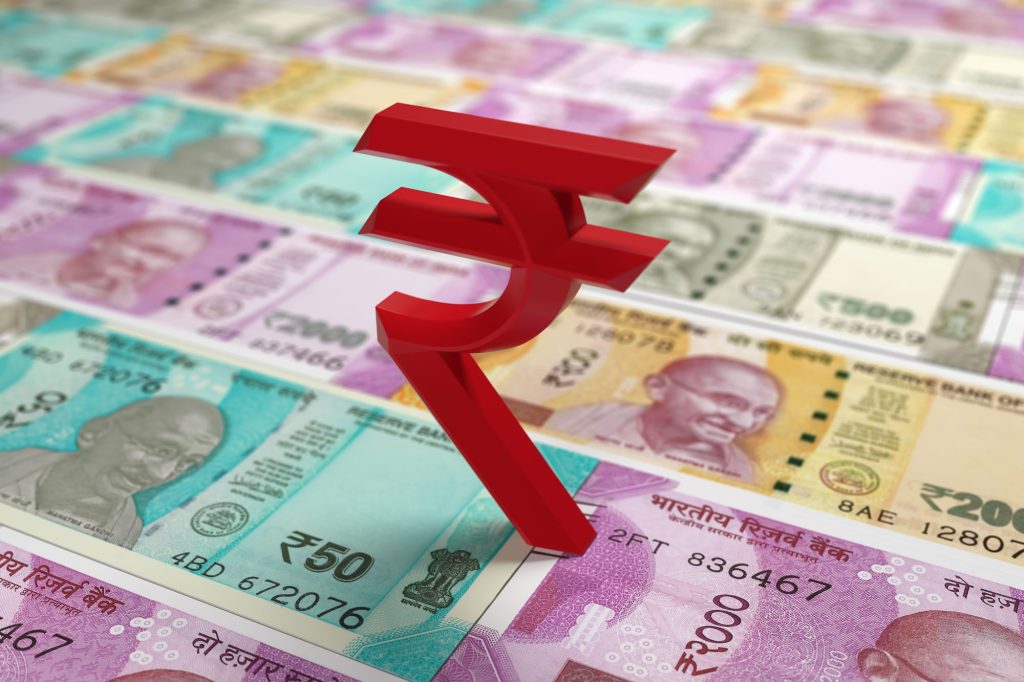
The Indian Rupee (INR) has plunged to an all-time low against the U.S. Dollar (USD), closing at 88.4425 on September 11, 2025. This marks a significant depreciation, raising red flags for investors, importers, exporters, and policymakers. The primary driver behind this unprecedented drop is the escalation of U.S. tariffs on Indian exports, which has introduced considerable uncertainty into the market.
This article offers an in-depth analysis of the current state of the Indian Rupee, the impact of U.S. tariffs on India’s foreign exchange market, and what this means for the Indian economy moving forward.
The Indian Rupee’s Record Low: What’s Happening?
The Indian Rupee’s sharp decline to its lowest-ever level against the U.S. Dollar has been largely attributed to the ongoing trade tensions between India and the United States. The U.S. has imposed tariffs on key Indian goods, which has dampened investor sentiment and resulted in reduced foreign investment inflows.
Key factors influencing the INR’s fall include:
-
Rising U.S. Tariffs: These have increased the cost of Indian exports, reducing demand from U.S. buyers.
-
Capital Outflows: Foreign portfolio investors have withdrawn approximately $11.7 billion from Indian equity and debt markets in 2025 due to trade uncertainty and global risk aversion.
-
Importers’ Hedging: Indian companies importing goods priced in USD are aggressively hedging, increasing demand for foreign currency.
-
Muted Export Growth: Exporters face reduced orders, weakening India’s trade balance and putting downward pressure on the Rupee.
Government and Central Bank Response
In response to the currency crisis, the Indian government has initiated a series of measures aimed at stabilizing the Rupee and supporting the economy:
-
Consumption Tax Cuts: Prime Minister Narendra Modi’s administration announced reductions in consumption taxes to stimulate domestic demand and partially offset the effects of tariffs.
-
Trade Negotiations: Talks between India and the U.S. are ongoing, aiming to ease tariff burdens and restore investor confidence.
-
Reserve Bank of India (RBI) Interventions: The RBI has been actively selling U.S. Dollars in the forex market to stem excessive volatility. However, it is careful not to target a specific exchange rate, focusing instead on smoothening fluctuations.
Despite these interventions, the Rupee remains under pressure due to structural challenges and external factors.
Economic Implications of a Weakening Rupee
The depreciation of the Indian Rupee has wide-reaching implications for the Indian economy:
-
Inflationary Pressures: A weaker Rupee makes imports more expensive, particularly crude oil, which India heavily relies on. This increases production costs and could push consumer prices higher.
-
Rising Cost of Debt Servicing: India’s foreign-denominated debt servicing costs increase, impacting government and corporate balance sheets.
-
Trade Balance Impact: While exports become cheaper for foreign buyers in theory, the actual reduction in demand due to tariffs limits this benefit.
-
Foreign Investment Sentiment: Continued currency weakness may deter foreign direct investment (FDI), slowing economic growth.
Forex Market Outlook for the Indian Rupee
Currency experts and forex analysts suggest that the Indian Rupee is likely to face continued volatility in the near term. The key determinants of its trajectory include:
-
Resolution of Trade Issues: Positive developments in U.S.-India trade negotiations could provide relief.
-
Global Economic Trends: A potential U.S. Federal Reserve rate cut may weaken the USD, indirectly supporting the Rupee.
-
Foreign Investment Flows: Stabilization or reversal of capital outflows could strengthen INR.
-
Domestic Economic Policies: Continued fiscal and monetary interventions by the government and RBI will be crucial.
Conclusion
The Indian Rupee’s historic fall to 88.4425 against the U.S. Dollar reflects a combination of external pressures, chiefly from U.S. tariffs, and internal economic dynamics. For traders, investors, and policymakers, understanding these factors is critical to navigating the volatile forex environment ahead.
As of September 2025, the outlook remains cautious but not without hope. The potential easing of tariffs, combined with strategic interventions by the Reserve Bank of India and Indian government policies, may help stabilize the Rupee over the coming months.