
Introduction
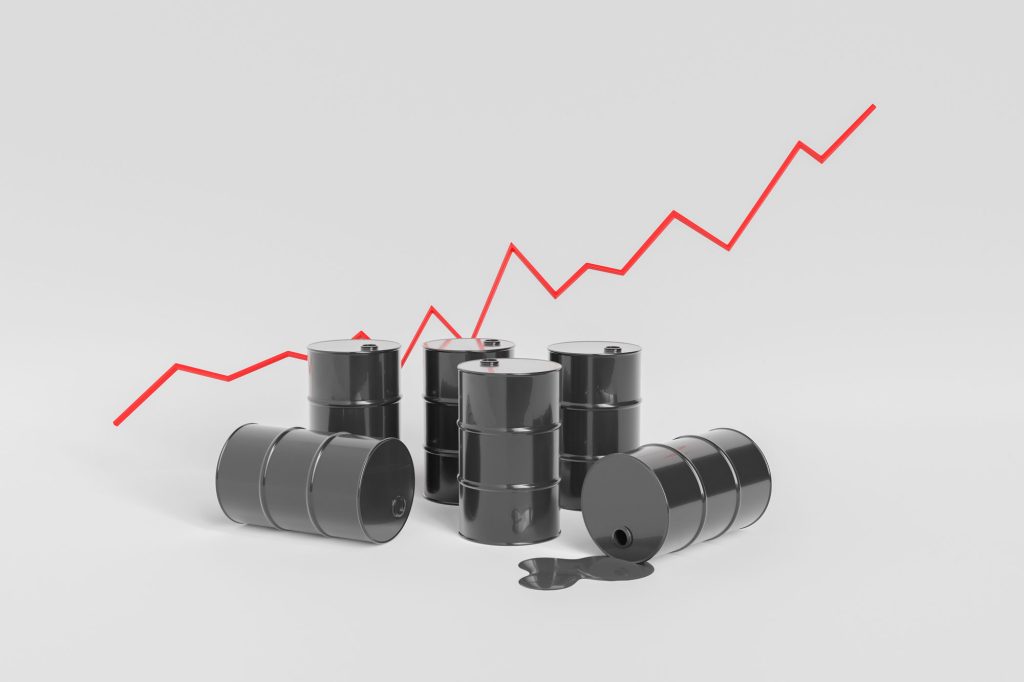
Crude oil prices rose on September 9, 2025, driven by several supply and demand factors. The OPEC+ coalition increased crude oil production modestly, which was less than many expected. This limited supply boost helped support prices. At the same time, geopolitical tensions around Russian oil exports raised concerns about supply disruptions. Traders added a risk premium to oil prices. The market also reacted positively to expectations of a Federal Reserve interest rate cut, which could stimulate energy demand worldwide.
Key Highlights
-
OPEC+ Production Increase Below Market Expectations
OPEC+ decided to raise oil output slightly. This cautious move avoided flooding the market during a time of uncertain global demand. -
Russian Oil Export Risks Grow
Tensions and sanctions on Russia threaten its ability to maintain stable oil exports. These risks push prices higher. -
Fed Rate-Cut Expectations Boost Demand Outlook
Markets expect the Federal Reserve to cut interest rates soon. Lower rates usually encourage economic growth and increase energy use, which supports oil prices.
Detailed Analysis
OPEC+ Balances Supply and Market Stability
OPEC+ has taken a careful approach to production recently. The group chose a small output increase to keep markets stable. They avoided large supply hikes that might hurt prices. This strategy helps OPEC+ maintain price support while managing risks from uncertain global growth and energy demand.
By controlling supply tightly, OPEC+ aims to protect revenues without causing price volatility. This cautious stance shows their preference for gradual adjustments based on market trends.
Russian Supply Risks Add Price Pressure
Russia plays a big role in global oil supply. Political conflicts and international sanctions limit its ability to export oil consistently. These challenges create uncertainty. Traders respond by valuing Russian oil shipments with a premium, pushing prices upward.
Any further disruptions, such as intensified sanctions or logistic problems, could reduce Russian exports. This would tighten supply and likely increase prices.
Fed Interest Rate Policy Supports Demand
The Federal Reserve’s recent comments suggest a rate cut is likely. Historically, lower interest rates lead to more borrowing and spending. This boosts economic activity and energy consumption.
Market participants see a Fed easing as positive for oil demand. Cheaper financing encourages industries and consumers to use more energy. This expectation adds upward pressure on oil prices.
Market Outlook
Oil markets remain sensitive to several key factors:
-
Geopolitical events in Russia and Eastern Europe could disrupt supply and push prices higher.
-
OPEC+ production decisions will continue to influence market balance.
-
Federal Reserve actions may accelerate or slow demand growth depending on policy shifts.
The longer-term trend toward renewable energy and electric vehicles adds complexity. However, near-term supply and demand factors will likely dominate price moves.
Conclusion
Oil prices rose today due to a mix of factors: OPEC+ kept production increases modest, Russian supply risks heightened, and Fed rate-cut expectations boosted demand forecasts. These forces highlight the fragile balance in energy markets this year. Traders should watch geopolitical developments and central bank moves closely as they drive oil price volatility.