Overview
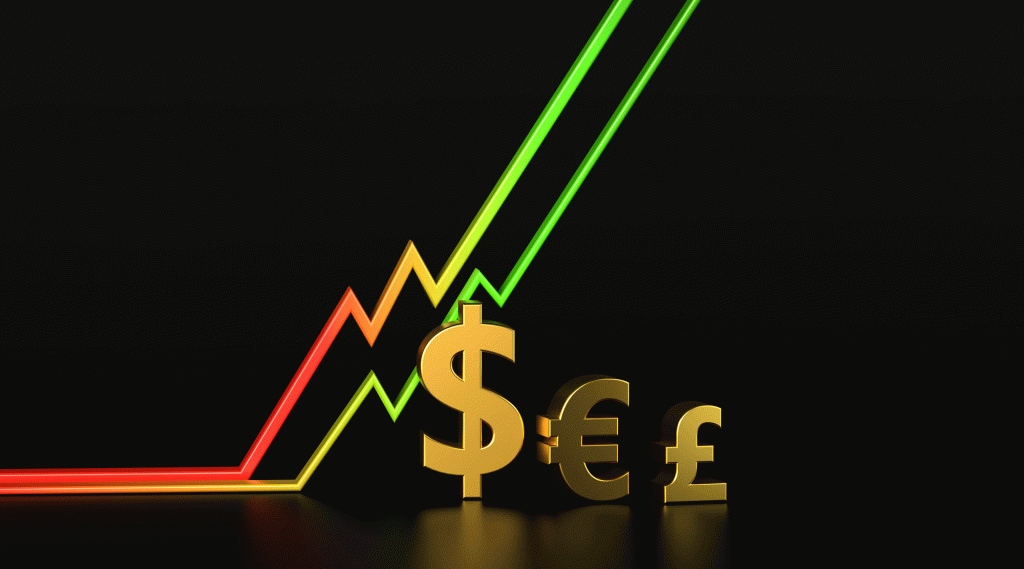
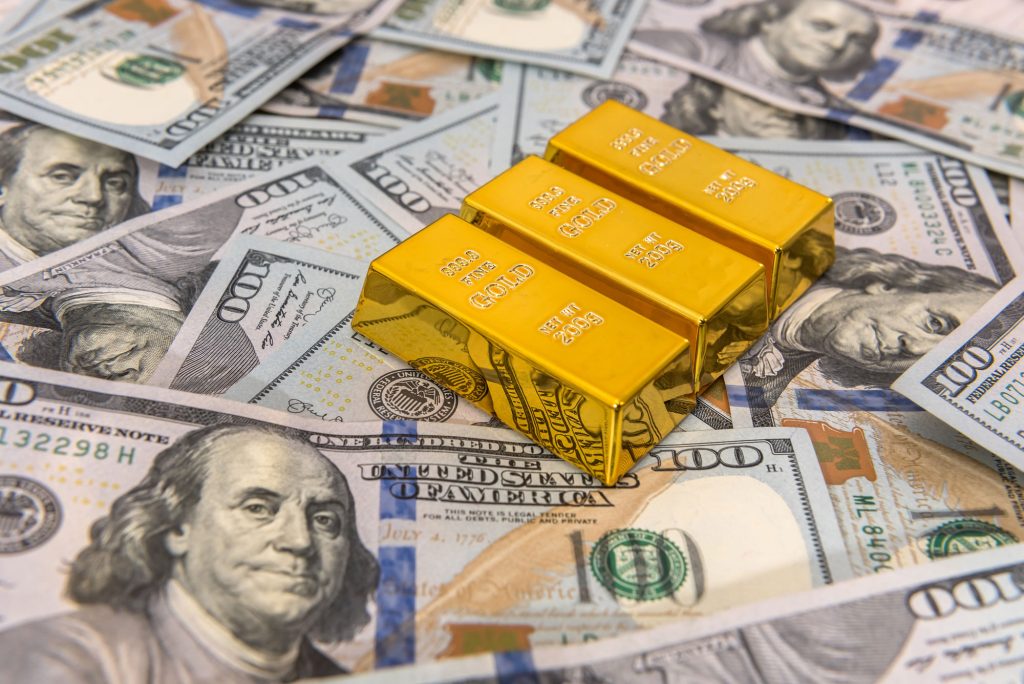
Gold extended its historic rally on Tuesday, smashing through $3,508.50 per ounce for the first time in history. The surge came as global investors priced in the growing likelihood of a Federal Reserve interest rate cut in September and sought refuge from rising geopolitical tensions.
The move marks a significant moment in commodity markets. For decades, gold has been the ultimate safe-haven asset. Its appeal strengthens whenever confidence in central banks, currencies, or political stability begins to weaken. This time, a combination of dollar softness, political pressure on the Fed, and investor demand for protection has pushed the metal to record levels.
Why Gold is Rallying
The immediate trigger for gold’s climb is speculation over U.S. monetary policy. Investors now expect the Fed to cut rates as early as September, a shift from earlier expectations of a slower approach. Markets believe that lower rates would weaken the dollar and increase the relative appeal of non-yielding assets like gold.
The dollar’s slide has amplified this move. As the greenback lost momentum against major currencies, foreign buyers found gold more affordable, further boosting demand. Meanwhile, real yields have softened, making holding gold more attractive compared to government bonds.
Political Pressure and Fed Independence
A growing concern among traders is the independence of the Federal Reserve. Recent remarks from U.S. lawmakers and the White House have raised questions about whether the Fed can act without political influence. Such uncertainty tends to drive money into safe-haven assets.
Investors see gold as insurance against potential monetary missteps. If the Fed caves to political pressure and cuts rates too aggressively, it could stoke inflation risks. Gold, in turn, would act as a hedge against those risks.
Geopolitical Risks Add Fuel
Beyond monetary policy, geopolitical tensions are intensifying demand. Rising conflict risks in Eastern Europe, trade disputes between the U.S. and China, and political instability in parts of the Middle East have pushed investors to rebalance portfolios toward safer assets.
Silver, often seen as gold’s close counterpart, has benefited as well. Prices are nearing a 14-year high, attracting interest from both industrial buyers and financial investors.
Market Positioning and Technical Momentum
Speculative flows into gold futures remain strong. Hedge funds and institutional players are increasing long positions, signaling confidence in higher prices ahead. Technical momentum has also strengthened the rally, with gold breaking through resistance levels and showing no clear signs of exhaustion.
However, traders remain cautious about calling for unlimited upside. With prices already at record levels, profit-taking could trigger sharp pullbacks. Analysts warn that volatility is likely to remain high as the market digests incoming U.S. data.
Key Data to Watch
The next major catalysts are U.S. jobs and inflation reports due this week. A weak labor market print would strengthen expectations of an imminent Fed cut, likely pushing gold even higher. On the other hand, a hotter-than-expected inflation reading could complicate the Fed’s path and cap the rally.
Global central banks are also playing a role. Many, particularly in emerging markets, have been building gold reserves to diversify away from the U.S. dollar. This steady demand has provided a structural floor under the market and could sustain prices even if speculative flows cool down.
Outlook
With gold above $3,500 per ounce, the debate now shifts to sustainability. Is this the beginning of a new long-term bull cycle, or a peak driven by temporary uncertainty? Much depends on how the Fed manages the delicate balance between inflation, growth, and political pressure in the months ahead.
For now, gold remains the asset of choice for investors seeking safety. Until clarity emerges on Fed policy and global stability, the yellow metal looks set to remain firmly in the spotlight.