
Overview
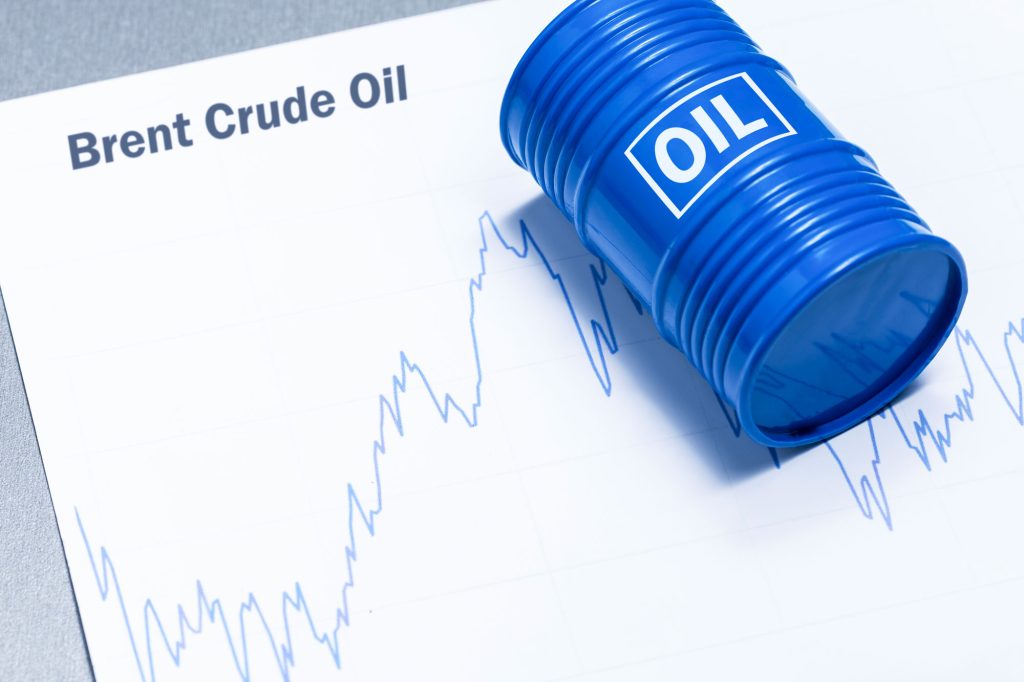
Oil prices slipped on Friday, August 29, 2025, as investors reacted to signs of a slowdown in U.S. fuel demand following the end of the summer driving season. Brent crude and West Texas Intermediate (WTI) crude both experienced intraday declines. However, despite the drop, they are still poised to record modest gains for the week. This resilience is driven by ongoing geopolitical tensions and supply disruptions that continue to tighten the global oil market.
Seasonal Demand Slowdown Pressures Oil Prices
The summer months usually bring higher fuel consumption, especially in the U.S., due to increased travel and industrial activity. With the end of August, demand for gasoline and diesel typically wanes. This seasonal pattern contributed to the recent dip in oil prices as traders adjusted their expectations for fuel consumption in the coming weeks.
U.S. government data showed a slight build in gasoline inventories and a decrease in refinery throughput. These indicators signal a cooling demand environment. As a result, crude futures faced selling pressure. However, analysts caution that seasonal demand shifts are usually temporary, and the market will soon adjust.
Geopolitical Tensions Support Oil Prices
Despite the short-term demand concerns, geopolitical risks are keeping oil prices buoyant. Heightened instability in key oil-producing regions, particularly in the Middle East, has investors wary of potential supply disruptions. Conflicts and political unrest in oil-exporting countries have raised the risk of unexpected output losses.
For example, tensions involving major producers in the Persian Gulf and disruptions in certain North African nations have limited supply flexibility. These geopolitical issues create uncertainty that often leads traders to price in a risk premium, preventing prices from falling further.
Supply Disruptions Tighten the Market
In addition to geopolitical factors, physical supply disruptions have further tightened the oil market. Planned maintenance shutdowns at refineries and production facilities in countries like Nigeria and Venezuela have reduced crude output temporarily. Natural disasters such as hurricanes have also forced some producers to halt operations.
These interruptions reduce available supply and counterbalance weaker demand in some regions. The result is a more balanced market, which has helped prevent a sharper drop in prices.
OPEC’s Role and Production Strategy
The Organization of the Petroleum Exporting Countries (OPEC), along with its allies including Russia, continues to play a crucial role in managing global supply. The cartel has maintained production cuts to support prices amid fluctuating demand.
Market watchers are closely observing upcoming OPEC meetings for any signals of policy changes. Should OPEC decide to ease or deepen production cuts, it could significantly influence oil prices in the short and medium term.
Weekly Performance and Market Outlook
For the week, Brent crude has gained roughly 2%, trading near $85 per barrel, while WTI crude is up about 1.8%, hovering around $80 per barrel. These gains reflect the market’s ability to absorb negative demand news while remaining supported by tight supply and geopolitical uncertainty.
Looking ahead, traders should expect continued volatility. Factors such as economic growth data from major economies, U.S. inventory reports, and developments in geopolitical hotspots will remain key price drivers.
What Traders and Investors Should Focus On
Traders should prepare for mixed signals in the market. Seasonal demand declines may lead to short-term dips, but supply risks and geopolitical events can cause sudden rallies. It is crucial to stay updated on OPEC statements, U.S. fuel demand statistics, and geopolitical news.
Investors should also monitor broader economic indicators like global GDP growth forecasts and currency fluctuations. These factors influence demand for oil and affect prices in the long term.
ForexFlash Summary
Oil prices are balancing between seasonal demand concerns and ongoing supply-side challenges. Although prices dropped on Friday amid signs of slower U.S. demand, geopolitical tensions and supply disruptions have kept prices on an upward trend for the week. The energy market remains sensitive to a range of factors, requiring traders and investors to stay vigilant and adaptable.