
Overview
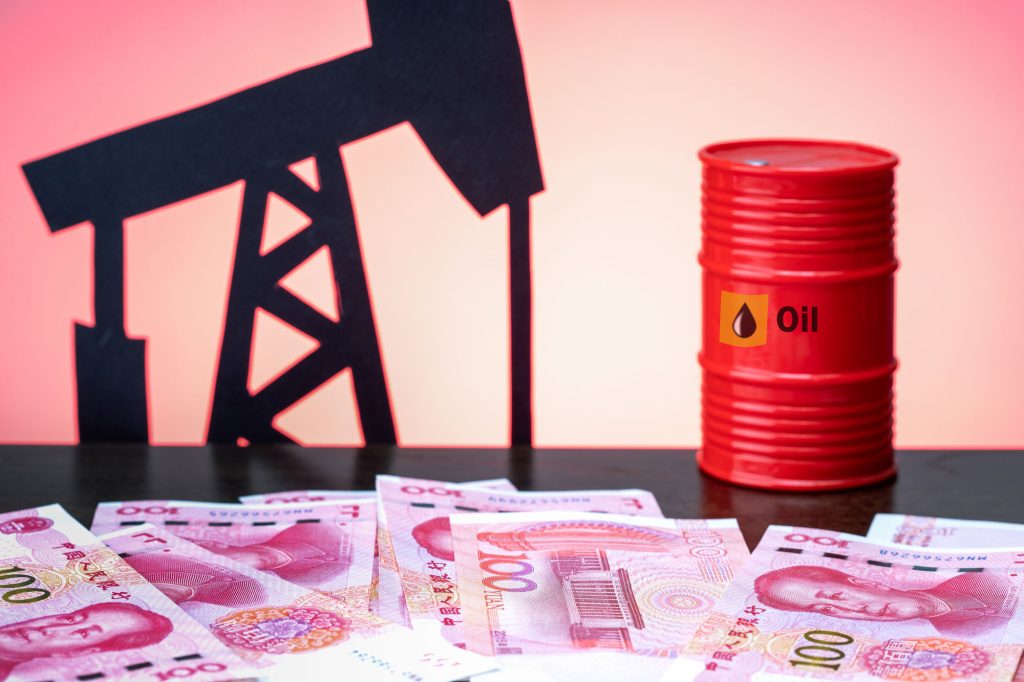
Chinese refiners have significantly increased their purchases of discounted Russian crude oil amid intensifying U.S. pressure on India’s energy supply channels. As India reduces its intake of Russian oil due to political and diplomatic pressures, China’s swift and strategic response highlights its agility in securing vital energy imports. This shift is reshaping the balance of global oil supply and demand, with far-reaching implications.
Geopolitical Pressure on India’s Oil Imports
The United States government has escalated diplomatic and economic pressure on India to limit its purchases of Russian oil. This is part of a broader strategy to reduce Russia’s oil revenue in response to ongoing geopolitical conflicts. Consequently, India has begun to scale back its imports of Russian crude, despite its energy needs.
However, India’s pullback is complicated by its reliance on affordable oil supplies. The country continues to seek alternative sources to meet growing domestic demand. Despite these challenges, the U.S. influence has prompted India to reconsider its traditional oil sourcing strategies.
China’s Opportunistic Energy Strategy
In contrast, China has taken advantage of the shifting dynamics by aggressively snapping up discounted Russian crude cargoes. State-owned Chinese refiners are capitalizing on the significant price discounts offered by Russia. These lower prices help China reduce energy costs while securing large volumes of oil.
Moreover, this strategy aligns with China’s long-term goal of diversifying its energy sources. Beijing aims to reduce dependency on any single supplier and ensure steady energy flows amid global uncertainties. As a result, China is strengthening its energy security while potentially gaining leverage in geopolitical negotiations.
Impact on Global Oil Trade and Markets
China’s increased imports of Russian oil are causing considerable changes in global oil trade patterns. First, India’s reduced demand creates a void in the market, which China is quickly filling. This shift alters traditional oil flows and disrupts established trade routes.
Additionally, other oil-exporting nations are observing these changes closely. They must adjust their export strategies to maintain market share and revenue. Furthermore, traders and shipping companies face new logistical challenges as cargoes reroute to different destinations.
This reconfiguration is also affecting oil prices globally. While discounted Russian crude remains attractive, uncertainties persist due to geopolitical risks and supply chain complexities.
Strategic Energy Security and Economic Considerations
China’s move goes beyond short-term economic gains. It represents a calculated effort to enhance its energy security in an unpredictable global environment. By securing large volumes of discounted oil, China is preparing for potential future disruptions in supply.
Conversely, India is caught in a delicate balancing act. The country seeks to maintain strong diplomatic ties with Western nations while ensuring affordable energy for its growing population. This tug-of-war is likely to influence India’s energy policy and international relations in the coming months.
Future Outlook and Market Implications
Looking forward, the dynamics between China, India, and Russia will continue to shape global oil markets. U.S. sanctions and diplomatic pressures will play a critical role in determining supply chains and trade flows.
China’s quick pivot to increase Russian crude imports may encourage other nations to reconsider their sourcing strategies. Meanwhile, India might explore new partnerships or seek alternatives to Russian oil to meet its energy demands.
In this evolving landscape, market participants must stay alert. Geopolitical developments, pricing trends, and supply chain adjustments will all influence future oil market behavior.
Conclusion
China’s strategic purchase of discounted Russian oil amid India’s curtailed imports signals a major shift in global energy trade. This move underscores the intertwined nature of geopolitics and commodities markets. As the global community watches, the evolving oil supply dynamics will continue to impact economic and diplomatic relations worldwide.