
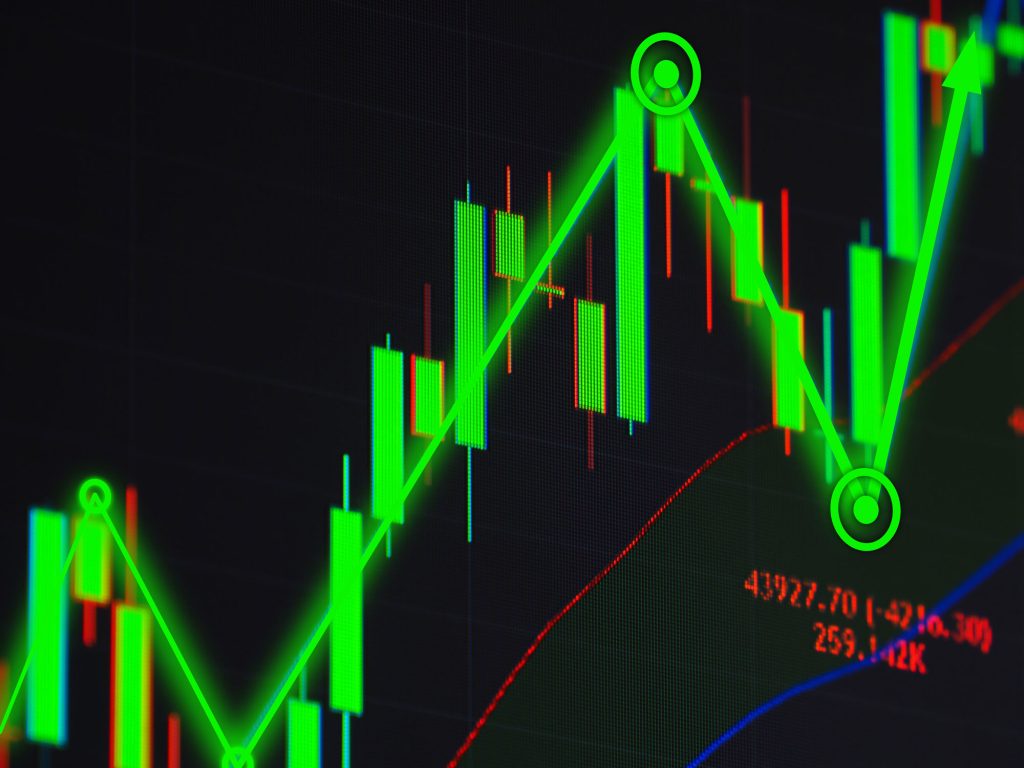
Overview: Market Momentum Builds in Asia Following Tariff Relief
Asian stock markets posted strong gains on Tuesday, August 12, 2025, buoyed by the announcement of a 90-day extension to the U.S.–China tariff truce. The development, widely interpreted as a step toward easing global trade tensions, injected renewed optimism into equity markets that had been grappling with inflationary pressures and geopolitical uncertainty.
Major benchmarks in Japan, China, and Hong Kong all traded higher, reflecting investor relief that escalating tariffs have been averted for the time being. The positive market sentiment came as investors brace for a week dominated by inflation data and central bank commentary.
Japan’s Nikkei Hits New Highs
Japan’s Nikkei 225 index surged over 1.3%, reaching new record highs not seen since the late 1980s. Driven by strong performances from exporters and tech stocks, the rally underscored how trade de-escalation between the world’s two largest economies benefits regional manufacturing hubs like Japan.
Japanese semiconductor firms and auto manufacturers saw particularly sharp gains as investors bet on improved trade flows and a weaker yen environment aiding profit margins. Financials and industrials also contributed to the upswing, aided by a global rotation into value sectors.
China and Hong Kong Stocks Rebound
In mainland China, the Shanghai Composite climbed 0.8%, while the tech-heavy Shenzhen Component added 1.1%, snapping a three-session losing streak. Investors welcomed the trade truce as a temporary reprieve for China’s slowing export sector, which has been struggling under the weight of global demand softening and regulatory headwinds.
The Hang Seng Index in Hong Kong advanced 1.5%, lifted by gains in technology, property, and energy sectors. Alibaba and Tencent led the rally, following positive investor reaction to stable diplomatic signals and expectations of improved trade flows.
What the Tariff Truce Means for Global Markets
The 90-day extension of the tariff truce between the U.S. and China—two economies that collectively account for over 40% of global GDP—represents a critical pause in tensions that have previously rocked global supply chains and dampened investor confidence.
While the extension does not signal a comprehensive trade resolution, it does buy valuable time for negotiations and reduces the probability of sudden tariff spikes that would have rattled global equities and commodity markets.
From an investor’s perspective, the truce:
-
Stabilizes export-oriented economies in Asia.
-
Eases pressure on multinational corporations with exposure to both markets.
-
Reduces volatility in forex and commodity markets linked to trade policies.
Currency Markets Respond Cautiously
In the currency space, the Chinese yuan strengthened slightly against the U.S. dollar, reflecting renewed stability in trade outlooks. The Japanese yen weakened modestly, helping to fuel Japanese stock market gains as exporters benefit from a more favorable exchange rate.
Traders are now watching closely for any shift in tone from the People’s Bank of China (PBoC) and Bank of Japan (BoJ), both of which may adjust guidance based on this new geopolitical landscape.
Eyes Now on U.S. CPI and Fed Guidance
While today’s rally was underpinned by geopolitical news, investor attention will now pivot to economic fundamentals, particularly the upcoming U.S. Consumer Price Index (CPI) data set to be released later this week.
The CPI report will be a key driver of market momentum, with any signs of persistent inflation likely to influence the Federal Reserve’s policy stance and, by extension, risk sentiment across global markets.
Conclusion: Market Relief May Be Temporary Without Concrete Progress
While the extension of the U.S.–China tariff truce provides a much-needed boost to markets, analysts caution that the truce is a temporary measure rather than a permanent resolution. Ongoing risks remain, including inflationary pressures, central bank tightening, and structural challenges in global trade.
Still, for today, markets in Asia are clearly cheering the diplomatic reprieve, with equity indices and investor confidence reflecting a renewed sense of optimism.
Key Takeaways:
-
Asian stocks rallied sharply after the U.S. and China extended their tariff truce by 90 days.
-
Japan’s Nikkei 225 hit record highs, while China and Hong Kong indices rebounded strongly.
-
Exporters and tech firms led gains amid improved trade sentiment.
-
Currency markets reacted cautiously, with the yuan rising and yen weakening slightly.
-
Investor focus now turns to U.S. inflation data and central bank policy signals.